About this place
Discover Wat Kumkam
Wat Kumkam
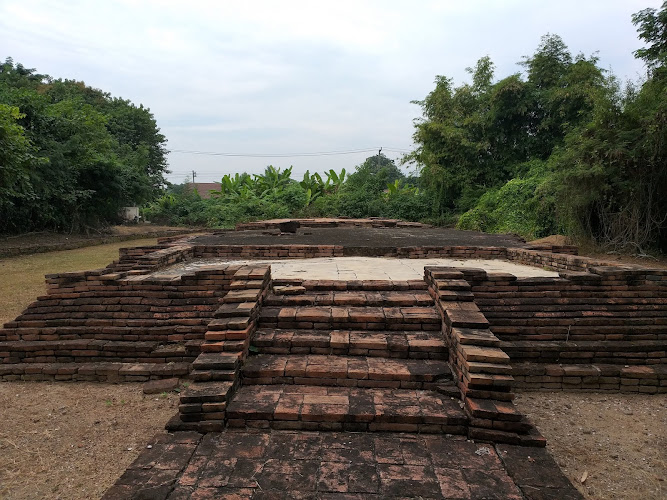
Wat Kumkam, situated within the Wiang Kum Kam archaeological site approximately 5 kilometers south of Chiang Mai, Thailand, stands as a testament to the rich history and cultural heritage of the Lanna Kingdom. Established in the late 13th century during the reign of King Mangrai, this ancient Buddhist temple has witnessed centuries of history, from its inception as a religious center to its rediscovery in the modern era.
Historical Background
The Lanna Kingdom, known as the "Kingdom of a Million Rice Fields," flourished in northern Thailand from the 13th to the 18th centuries. King Mangrai, the founder of Chiang Mai, established Wiang Kum Kam as his capital in 1286, after his victory over the Mon kingdom of Hariphunchai. The city was designed with a moat and palisade, featuring numerous dwellings and religious structures. However, the area was prone to flooding, leading King Mangrai to relocate the capital to the present site of Chiang Mai in 1296. Despite the relocation, Wiang Kum Kam continued to be inhabited for several centuries, with its temples and structures serving as centers of worship and community life. The city eventually declined and was abandoned, becoming buried under layers of sediment and vegetation. It wasn't until the 1980s that archaeological efforts led to the rediscovery and excavation of this ancient city. (en.wikipedia.org)
Architectural Significance
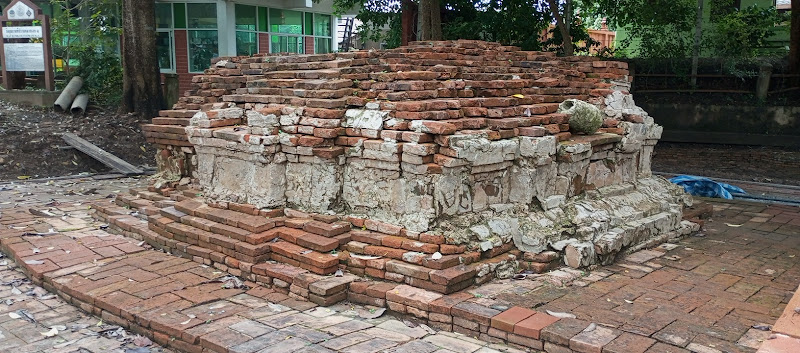
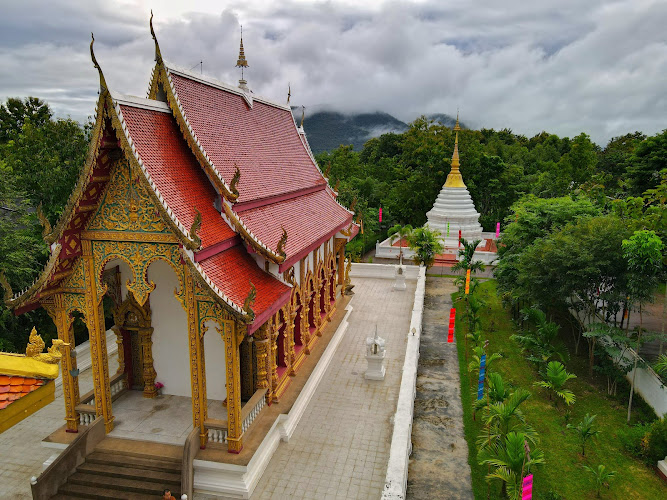
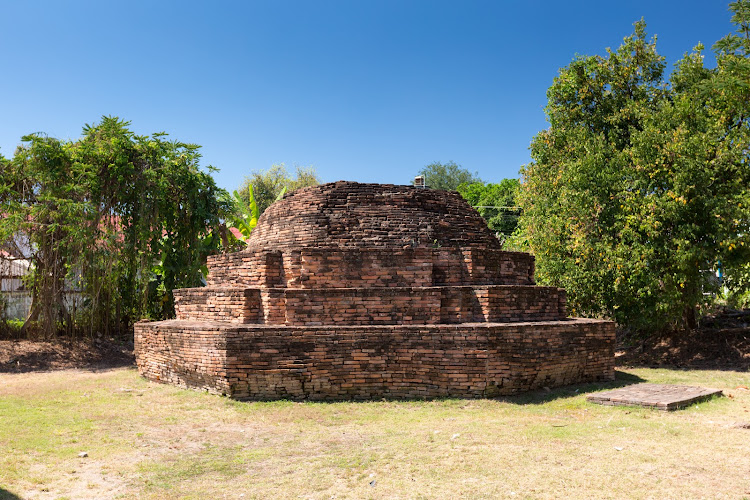
Wat Kumkam is renowned for its distinctive architectural style, characteristic of the Lanna period. The temple's most prominent feature is its chedi, a stepped pyramid structure with five square tiers. Each tier is adorned with niches housing standing Buddha images, a design that reflects the Mon Haripunchai style, indicative of the cultural exchanges between the Lanna Kingdom and neighboring regions. The chedi's design is reminiscent of the Mahabodhi Temple in India, showcasing the influence of Indian architecture on Lanna religious structures. The temple's layout and design elements provide valuable insights into the architectural innovations and religious practices of the time.
Cultural and Religious Significance
As a center of worship, Wat Kumkam played a pivotal role in the spiritual life of the Lanna Kingdom. The temple's design and the artifacts discovered within its vicinity offer a glimpse into the religious practices, artistic expressions, and cultural exchanges that shaped the region. The presence of standing Buddha images in the niches of the chedi reflects the artistic styles and religious iconography prevalent during the 13th century. The temple's location within the Wiang Kum Kam archaeological site, which includes other significant structures like Wat Chedi Liam, Wat Phan Lao, and Wat That Khao, underscores its importance within the ancient city and its role in the broader historical and cultural landscape of the Lanna Kingdom. (en.wikipedia.org)
Rediscovery and Preservation Efforts
The rediscovery of Wiang Kum Kam in the 1980s marked a significant milestone in the study of Southeast Asian history and archaeology. Excavations revealed a wealth of artifacts, inscriptions, and architectural remnants, shedding light on the urban planning, religious practices, and daily life of the ancient city. The Fine Arts Department of Thailand initiated restoration projects to preserve the site's historical integrity, ensuring that future generations can appreciate and learn from this ancient civilization. These efforts have included clearing overgrowth, stabilizing structures, and conducting research to understand the site's historical context. (thailand.go.th)
Visitor Information
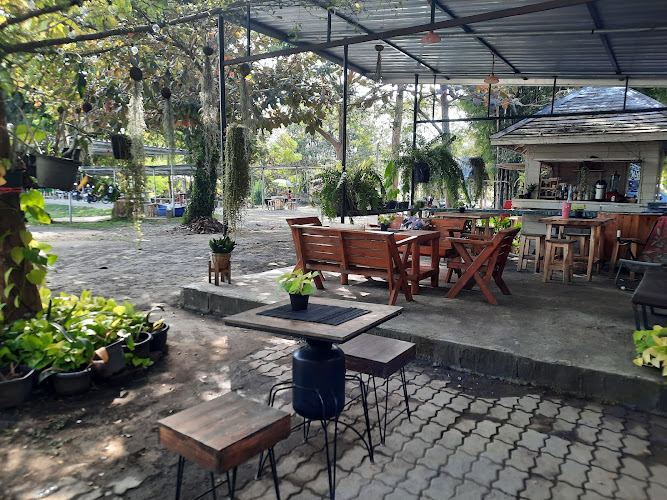
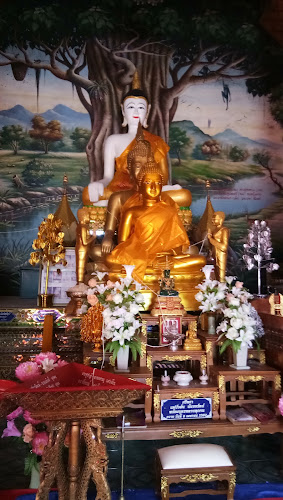
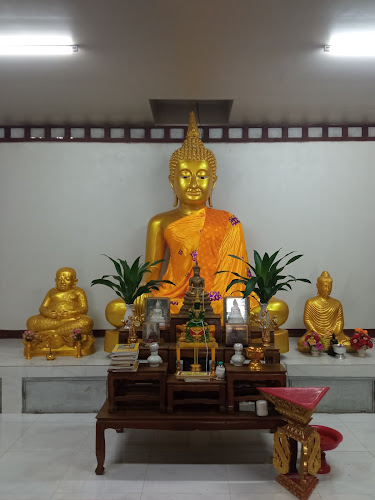
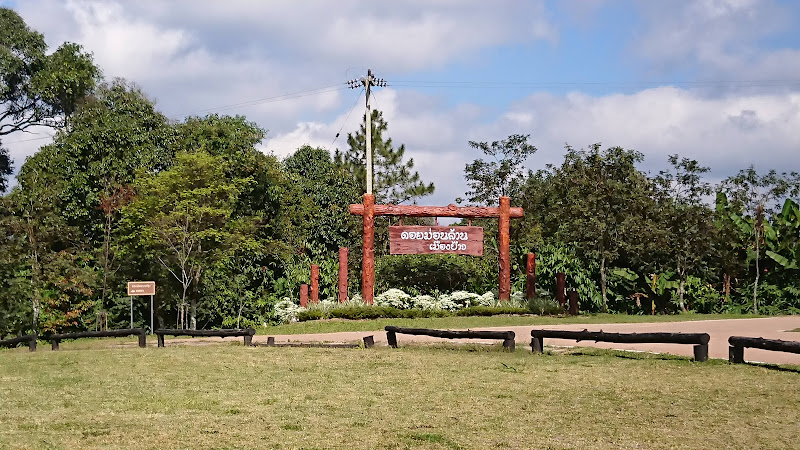
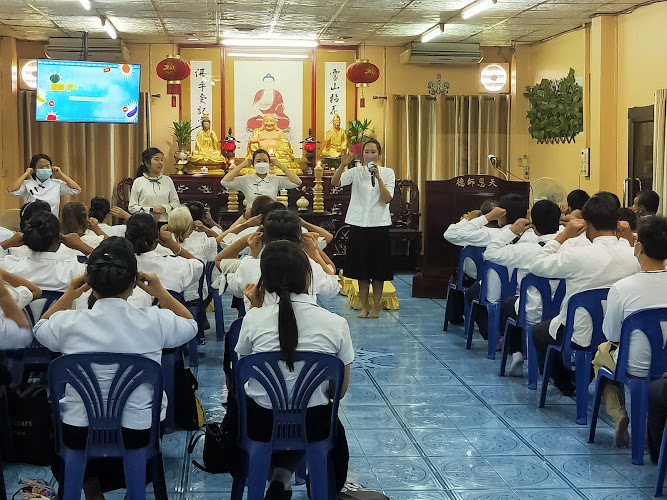
Today, Wat Kumkam remains an active place of worship, attracting both local devotees and tourists interested in exploring the rich history and architecture of the Lanna period. Visitors can access the site via the main road from Chiang Mai to Lamphun, with signage directing them to the temple. The temple is open daily, and while there is no official entrance fee, donations are appreciated to support ongoing preservation efforts. Exploring the temple provides a unique opportunity to connect with Thailand's ancient past, offering insights into the architectural innovations, religious practices, and cultural exchanges that have shaped the region's history. The serene environment and historical ambiance make it a must-visit destination for those interested in the rich tapestry of Southeast Asian heritage.
Conclusion
Wat Kumkam stands as a testament to the enduring legacy of the Lanna Kingdom, reflecting the architectural ingenuity, cultural richness, and spiritual depth of its time. Its rediscovery has provided invaluable insights into the region's history, offering a window into a civilization that, despite the passage of centuries, continues to inspire and captivate. As both a place of worship and a historical site, Wat Kumkam invites visitors to delve into the past, appreciate the present, and reflect on the enduring connections that bind humanity across time.
Location