measure
Wat Pa Pao (วัดป่าเปา)
About this place
Discover Wat Pa Pao (วัดป่าเปา)
Wat Pa Pao
Wat Pa Pao, located in Chiang Mai, Thailand, is a Buddhist temple that stands as a testament to the rich cultural tapestry of the region. Established in 1883, it was the first temple in Chiang Mai built specifically for the Shan community, many of whom had migrated from the Shan States in northeastern Burma to work in the burgeoning teak logging industry. The temple's name, "Wat Pa Pao," translates to "Temple of the Pao Forest," reflecting its origins in a grove of pao trees. (en.wikipedia.org)
Historical Background
The late 19th century saw a significant influx of Shan people into Chiang Mai, driven by the demand for labor in the teak industry. Recognizing the need for a place of worship that honored their traditions, the Shan community, under the patronage of King Inthawichayanon and his Shan consort, Mom Bualai, established Wat Pa Pao. This collaboration between the Shan community and the local monarchy underscores the temple's importance as a cultural and religious center. (en.wikipedia.org)
Architectural Significance
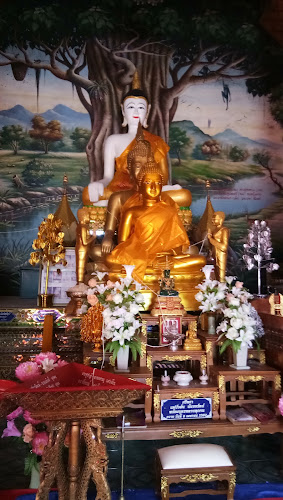
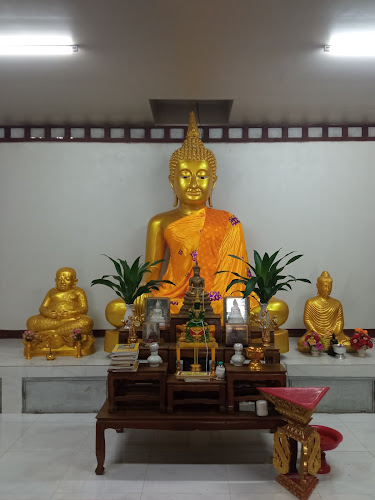
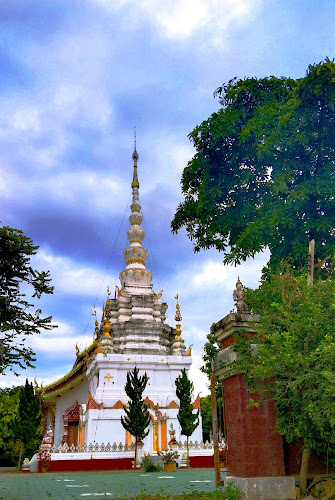
Wat Pa Pao is renowned for its distinctive Burmese-Shan architectural style, which sets it apart from the predominantly Lanna-style temples in Chiang Mai. The temple's chedi, or stupa, is a bell-shaped structure set on a multi-tiered square base, topped with a golden spire and a multi-tiered hti, a ceremonial umbrella. At each corner of the chedi stands a qilin, a mythical creature with the body of a lion and the head of a dragon, symbolizing protection and auspiciousness. The assembly hall, or viharn, is constructed primarily of teak and features a multi-tiered pyatthat roof, adorned with intricate friezes and painted in red, depicting stylized scenes of Mount Meru, the center of the universe in Buddhist cosmology. Inside the viharn, visitors can find a Thai Ping style Buddha image dated 1487, along with other Buddha images that exhibit distinctive Shan or Burmese characteristics. (en.wikipedia.org)
Cultural and Religious Importance
Beyond its architectural beauty, Wat Pa Pao serves as a vital cultural and religious hub for the Shan community in Chiang Mai. The temple is the site of the annual Poy Sang Long festival, a significant event in the Shan Buddhist calendar. During this festival, boys are inducted as novice monks in a ceremony that spans several days, typically held in April. The event features a procession of Shan people in traditional clothing, parading through the city, accompanied by music, dance, and communal celebrations. This festival not only serves as a rite of passage but also reinforces the community's cultural identity and unity. (en.wikipedia.org)
Visitor Information
Wat Pa Pao is open daily from 8:00 AM to 5:00 PM, offering visitors a serene environment to explore its architectural marvels and cultural significance. The temple is located near the northeast corner of Chiang Mai's old city moat, making it easily accessible from the city center. Visitors can reach the temple by walking, cycling, or taking a short ride in a tuk-tuk or songthaew. While the temple grounds are open to the public, some of the buildings may be locked, so it's advisable to check the temple's schedule or contact local tourism sources for the best times to visit. (renown-travel.com)
In conclusion, Wat Pa Pao stands as a testament to the rich cultural heritage and architectural diversity of Chiang Mai. Its unique blend of Burmese-Shan and Lanna architectural styles, coupled with its deep-rooted significance in the Shan community, makes it a must-visit destination for those seeking to understand the multifaceted history and culture of northern Thailand.
Location