attractions
Dolmen of Bajil (Dolmen de Bajil)
About this place
Discover Dolmen of Bajil (Dolmen de Bajil)
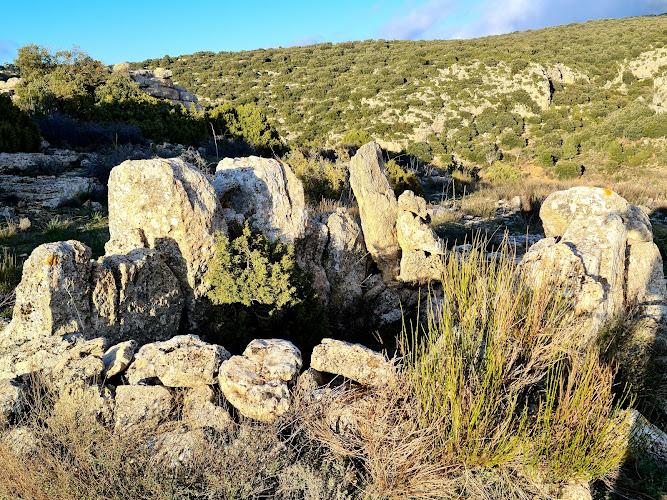
The Dolmen de Bajil, situated in the municipality of Moratalla in the Region of Murcia, Spain, is a remarkable prehistoric megalithic structure that offers profound insights into the ancient societies of southeastern Iberia. Located at an elevation of approximately 1,350 meters on the Cerro de las Víboras, this dolmen is part of a significant archaeological site that encompasses a fortified settlement and a megalithic necropolis. The site has been the focus of extensive archaeological research since 1990, led by Professor Jorge Juan Eiroa from the University of Murcia.
Geographical and Strategic Significance
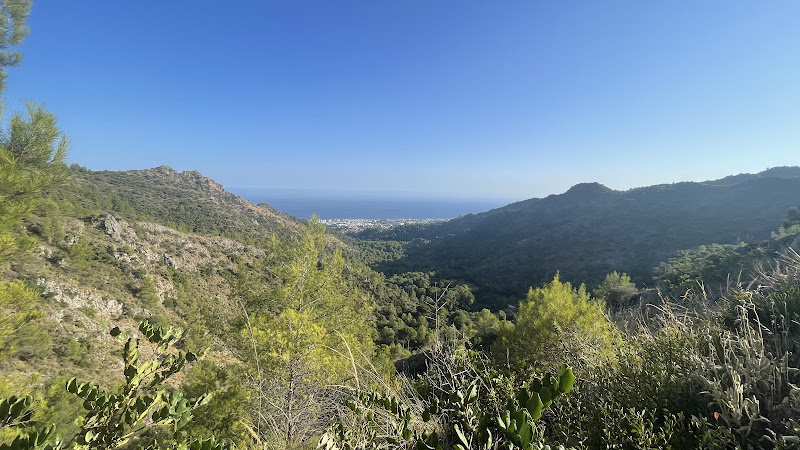
The strategic location of the Dolmen de Bajil is noteworthy. Perched atop the Cerro de las Víboras, the site commands a panoramic view of the surrounding landscape, including the Campo de San Juan valley and areas extending into the province of Albacete. This elevated position would have provided its inhabitants with a significant advantage in terms of surveillance and control over the surrounding territory. The natural defenses offered by the steep and rugged terrain further enhanced the site's fortifications, making it a formidable stronghold during prehistoric times.
Archaeological Excavations and Findings
Since the initiation of systematic excavations in 1990, the archaeological team has uncovered a wealth of information about the site's occupation and use. The settlement exhibits evidence of continuous habitation from the Late Copper Age through the Early Bronze Age, with distinct phases corresponding to different cultural influences. The architectural remains include substantial defensive structures, such as walls and a tower, constructed with large stone blocks, indicating a well-organized and resourceful community.
Residential structures within the settlement are characterized by rectangular or square plans, with dimensions ranging from 10 meters in length to 7.2 meters in width. The walls of these buildings were constructed using large stone blocks, with an average thickness of 0.85 meters, suggesting a high level of architectural sophistication. The interiors of these dwellings were spacious, with some measuring up to 36 square meters, providing ample room for the inhabitants.
The material culture uncovered at the site includes a variety of ceramic vessels, both incised and plain, as well as lithic tools such as arrowheads, hammers, and axes. The presence of metal objects, including bronze weapons, indicates the development of metallurgy and suggests trade or contact with other contemporary cultures. The discovery of large storage vessels, or pithoi, implies that the community engaged in agriculture and livestock farming, with surplus production stored for future use or trade.
Funerary Practices and the Necropolis
Adjacent to the settlement lies a megalithic necropolis consisting of five corridor tombs, each comprising a passage leading to a central chamber. These tombs contained human remains accompanied by various grave goods, reflecting the community's complex funerary practices. The grave goods include incised and plain ceramics, lithic tools, and metal artifacts, suggesting that the deceased were interred with items deemed necessary or valuable for the afterlife.
Notably, some of the tombs exhibit characteristics associated with the Argaric culture, a Bronze Age society known for its distinctive burial practices and social stratification. These features include cist graves with simple ceramic offerings and the presence of bronze weapons, such as swords and daggers, indicating a warrior class within the society. The inclusion of these items in the graves suggests that the Argaric influence extended into the region, influencing local customs and social structures.
Cultural and Social Dynamics
The Dolmen de Bajil and its associated settlement and necropolis provide valuable insights into the social, economic, and cultural dynamics of prehistoric communities in southeastern Spain. The strategic location and defensive architecture of the settlement indicate a society that valued security and territorial control. The material culture reflects a community engaged in agriculture, livestock farming, and metallurgy, with evidence of trade and cultural exchanges with neighboring regions. The complex funerary practices and the presence of grave goods suggest a belief system that emphasized the importance of the afterlife and the status of individuals within the society.
The site's location in the municipality of Moratalla is significant, as the area is rich in prehistoric art and archaeological sites. Moratalla is home to more than fifty percent of the rock art in the Region of Murcia, with numerous caves and shelters adorned with prehistoric paintings and engravings. The presence of the Dolmen de Bajil within this context underscores the region's importance as a center of prehistoric activity and cultural development.
Visitor Information
For those interested in visiting the Dolmen de Bajil, the site is accessible via a network of hiking trails that offer scenic views of the surrounding landscape. Visitors should be prepared for a moderate to strenuous hike, as the terrain is rugged and the elevation gain is significant. It
Location