attractions
Baby Well Mill (Molino del Pozo de Bebé)
About this place
Discover Baby Well Mill (Molino del Pozo de Bebé)
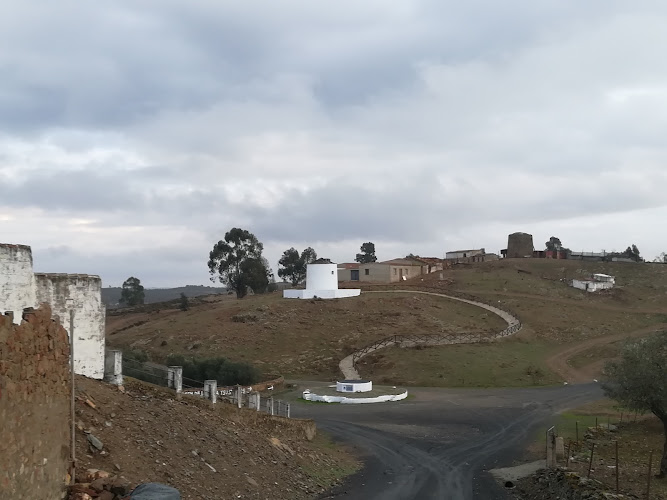
The Molino del Pozo de Bebé, nestled in the picturesque municipality of Puebla de Guzmán in the province of Huelva, Spain, stands as a remarkable emblem of the region's rich milling heritage and architectural ingenuity. This meticulously restored windmill, dating back to the 18th century, offers a captivating glimpse into the traditional milling practices that once flourished in the Andévalo Occidental region.
Historical Significance
Puebla de Guzmán's history is deeply intertwined with grain milling, a cornerstone of its economy and daily life. In the late 19th century, the municipality was home to an impressive array of windmills, with records indicating up to 18 operational mills by 1880. These mills were instrumental in processing the abundant wheat and other cereals cultivated in the fertile lands surrounding the town. The Molino del Pozo de Bebé, along with the Molino de La Horca, are among the two that have been restored in recent years, serving as enduring symbols of this industrious past. (puebladeguzman.es)
Architectural Features
The Molino del Pozo de Bebé exemplifies traditional Andalusian windmill architecture. Constructed primarily of local stone, the mill features a conical roof designed to pivot, allowing the large wooden blades, or "aspas," to face the wind direction. This design was crucial for harnessing wind energy to power the grinding mechanism. The mill's robust stone walls, some exceeding a meter in thickness, provided structural integrity and insulation. The interior housed a complex system of wooden gears and a "piedra volandera" (millstone), which, when powered by the wind, could process up to a ton of wheat on a good windy day. (puebladeguzman.es)
Restoration Efforts
The restoration of the Molino del Pozo de Bebé was a significant undertaking aimed at preserving the mill's historical and architectural integrity. Initiated in the early 21st century, the project focused on repairing structural elements, restoring the wooden blades, and ensuring the mill's functionality. The restoration not only revitalized a piece of Puebla de Guzmán's heritage but also provided a focal point for cultural tourism, attracting visitors interested in history, architecture, and traditional milling techniques. (puebladeguzman.es)
Cultural and Social Impact
The Molino del Pozo de Bebé holds a special place in the hearts of the local community. It serves as a cultural landmark, symbolizing the resilience and industrious spirit of Puebla de Guzmán's ancestors. The mill's presence fosters a sense of pride and continuity, connecting the present generation with its historical roots. Additionally, the restored mill has become a venue for cultural events, educational programs, and community gatherings, further strengthening its role as a cultural hub.
Visitor Experience
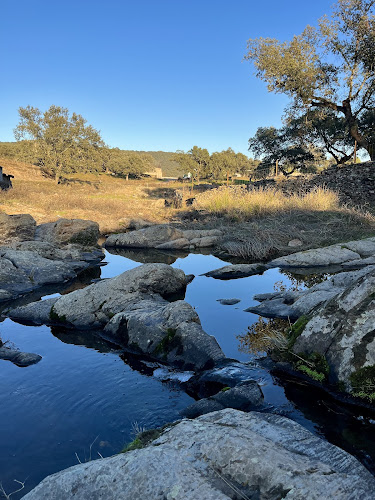
For visitors, the Molino del Pozo de Bebé offers a multifaceted experience that combines history, architecture, and natural beauty. Situated at the end of Calle Ventorro, near the path leading to the Ermita de la Peña, the mill is accessible via a scenic trail that meanders through the Andalusian countryside. The surrounding landscape is characterized by rolling hills, dense forests, and meandering streams, providing a tranquil setting for outdoor activities such as hiking and cycling. The area is rich in biodiversity, with opportunities for birdwatching and observing local flora and fauna.
The mill itself stands as a testament to traditional craftsmanship and engineering. Visitors can explore its interior, where informative displays elucidate the milling process and the historical context of the region's grain production. The restored wooden blades and gears offer a tangible connection to the past, allowing visitors to appreciate the ingenuity and hard work that sustained the community for centuries.
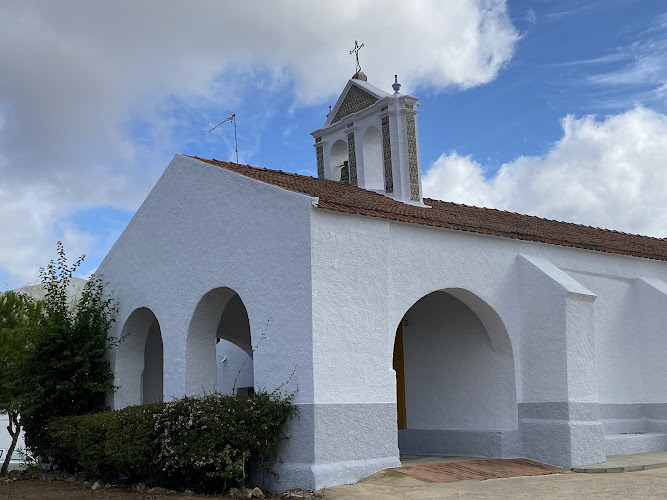
Adjacent to the Molino del Pozo de Bebé, the Ermita de la Peña, a 16th-century chapel, adds a spiritual dimension to the visit. The chapel, dedicated to the Virgin of the Rock, is renowned for its wooden sculpture created by Juan de Valencia in 1711. The serene ambiance of the chapel, coupled with its historical and artistic significance, provides a contemplative space for visitors. (andalucia.com)
Local Attractions and Amenities
Puebla de Guzmán offers a range of attractions and amenities that complement the visit to the Molino del Pozo de Bebé. The town's cobblestone streets, original stone walls, and traditional Andalusian architecture create a charming atmosphere that invites exploration. Local eateries serve traditional Andalusian cuisine, allowing visitors to savor regional specialties made from locally sourced ingredients.�
Location