hiking area
Caracol de Los Arenales (I)
About this place
Discover Caracol de Los Arenales (I)
Caracol de Los Arenales (I)
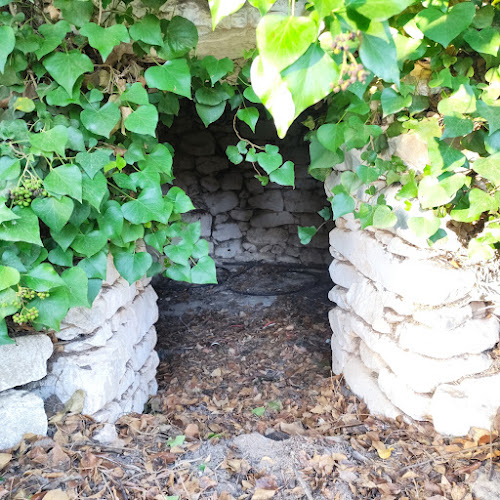
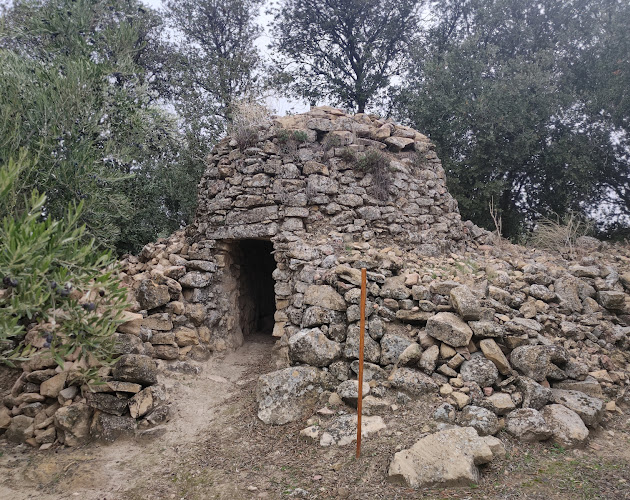
The Caracol de Los Arenales (I) is a notable example of the traditional dry stone huts, known as "caracoles" or "snails," that are scattered throughout the municipality of Rus in the province of Jaén, Spain. These unique structures serve as a testament to the region's rich agricultural heritage and the ingenuity of its inhabitants.
Historical Background
The origins of the "caracoles" date back to the early 20th century, with the oldest known hut in Rus constructed in 1914. These huts were primarily built by farmers to serve multiple purposes: as refuges from the harsh Andalusian climate, as surveillance points to monitor agricultural lands, and as storage spaces for tools and harvested produce. The dry stone construction technique employed in their building is a traditional method that has been recognized as part of the Intangible Heritage of Humanity. (andalucia.com)
Architectural Features
The "caracoles" are characterized by their circular or conical shape, resembling the shell of a snail, which is how they earned their name. Constructed without the use of mortar, these huts are built by meticulously stacking stones, a technique that not only provided structural integrity but also allowed the buildings to blend harmoniously with the natural landscape. The roofs were typically conical, made from wooden beams and covered with thatch or other local materials, providing insulation against both heat and cold.
Cultural Significance
The "caracoles" are more than just agricultural structures; they are emblematic of the cultural identity of Rus. They reflect the community's resilience and adaptability, showcasing how traditional building methods were utilized to meet the practical needs of rural life. In recent years, these huts have gained recognition as cultural landmarks, with efforts being made to preserve and promote them as part of the region's intangible heritage. (somosjaen.com)
Conservation Efforts
Recognizing the historical and cultural value of the "caracoles," conservation initiatives have been undertaken to preserve these structures. Local authorities and cultural organizations have collaborated to document, restore, and protect the huts, ensuring that they remain a testament to the region's agricultural past. These efforts aim to maintain the authenticity of the huts while making them accessible to the public, allowing visitors to appreciate and learn about this unique aspect of Andalusian heritage. (somosjaen.com)
Visitor Information
For those interested in exploring the "caracoles," Rus offers guided tours and informational materials that provide insights into the history and significance of these structures. The municipality has developed hiking routes that pass by various "caracoles," allowing visitors to experience them within the context of the natural landscape. These routes are designed to be accessible to a wide range of visitors, from casual walkers to more experienced hikers. Additionally, local museums and cultural centers in Rus offer exhibitions and workshops related to the "caracoles," providing a deeper understanding of their role in the community's history and culture.
In conclusion, the Caracol de Los Arenales (I) is not just a solitary structure but part of a larger network of traditional dry stone huts that embody the agricultural history and cultural identity of Rus. Through ongoing conservation efforts and community engagement, these huts continue to serve as a bridge between the past and the present, offering valuable insights into the region's heritage and the enduring spirit of its people.
Location