About this place
Discover Awajizaka
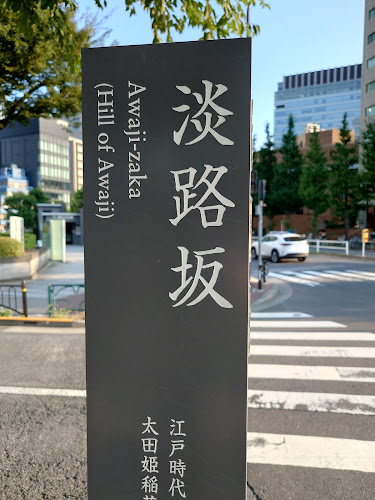
Awajizaka
Awajizaka, situated in the Kanda district of Chiyoda City, Tokyo, is a historic slope that has played a pivotal role in the city's development over the centuries. Its steep incline and strategic location have made it a significant route since the Edo period, connecting various parts of the city and facilitating trade and communication. The name "Awajizaka" translates to "Awaji Hill," indicating a possible historical connection to the Awaji Island region, known for its cultural and economic significance.
Historical Significance
During the Edo period (1603-1867), Tokyo, then known as Edo, was a burgeoning metropolis with a complex network of roads and pathways. Awajizaka served as a crucial route, linking the Kanda area with other parts of the city. Its steep incline made it a challenging path for travelers, but its importance was undeniable. The slope's strategic position also made it a focal point for various commercial activities, contributing to the economic vibrancy of the region.
The area around Awajizaka has undergone significant transformations over the centuries. From its origins as a simple pathway, it evolved into a bustling district with a mix of residential and commercial establishments. The post-war era, in particular, saw rapid urbanization, with modern buildings and infrastructure reshaping the landscape. Despite these changes, Awajizaka has managed to retain elements of its historical charm, serving as a bridge between Tokyo's past and present.
Architectural and Cultural Highlights
While Awajizaka itself is primarily known for its steep incline and historical significance, the surrounding Kanda district boasts several notable architectural and cultural landmarks. One such landmark is the Kanda Myojin Shrine, a Shinto shrine with a history spanning over a millennium. Established in the 8th century, the shrine is dedicated to the deities Futsunushi no Mikoto, Takeminakata no Kami, and Futsunushi no Kami. It has been a center of worship for the local community and visitors alike, offering a serene environment amidst the urban hustle.
Another significant site in the vicinity is the Awajizaka Coffee Ochanomizu Store. This charming café is nestled beneath the train tracks along the Kanda River, providing a unique ambiance that blends Tokyo's modernity with its historical backdrop. The two-story establishment offers balcony seats with picturesque river views, making it an ideal spot for relaxation and reflection. The café's menu features a variety of beverages and light meals, catering to both locals and tourists seeking a tranquil retreat. (wanderlog.com)
Visitor Information
For those interested in exploring Awajizaka and its surroundings, the area is easily accessible via public transportation. The nearest subway station is Awajicho Station, served by the Tokyo Metro Marunouchi Line. From the station, it's a short walk to the base of the slope. Given the steepness of Awajizaka, visitors should wear comfortable footwear and be prepared for a moderate climb.
While the slope itself is not a major tourist attraction, its historical significance and the charm of the surrounding Kanda district make it a worthwhile visit for those interested in Tokyo's rich heritage. The area offers a blend of old and new, with traditional shops and eateries coexisting with modern establishments, providing a unique glimpse into the city's evolving landscape.
In conclusion, Awajizaka stands as a testament to Tokyo's enduring history and cultural evolution. Its steep incline and strategic location have made it a significant route through the ages, while the surrounding district offers a rich tapestry of architectural and cultural landmarks. For visitors seeking to delve into Tokyo's past amidst its modern vibrancy, Awajizaka provides a compelling and enriching experience.
Location