attractions
Bagnoli Town Hall (Villa Comunale di Bagnoli)
About this place
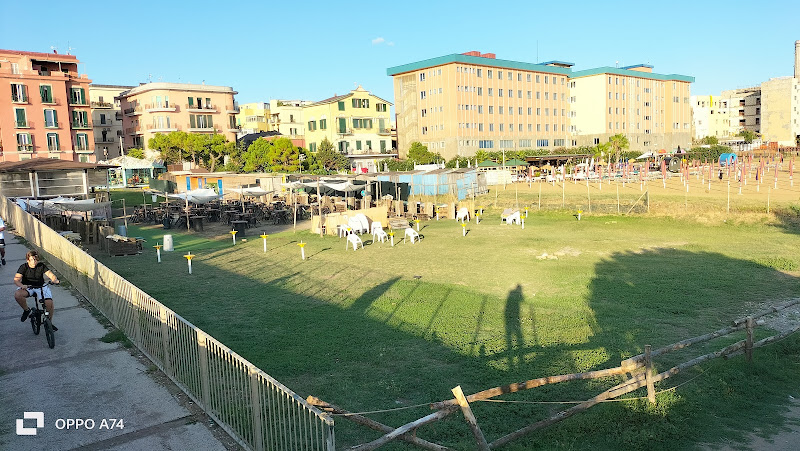
Discover Bagnoli Town Hall (Villa Comunale di Bagnoli)
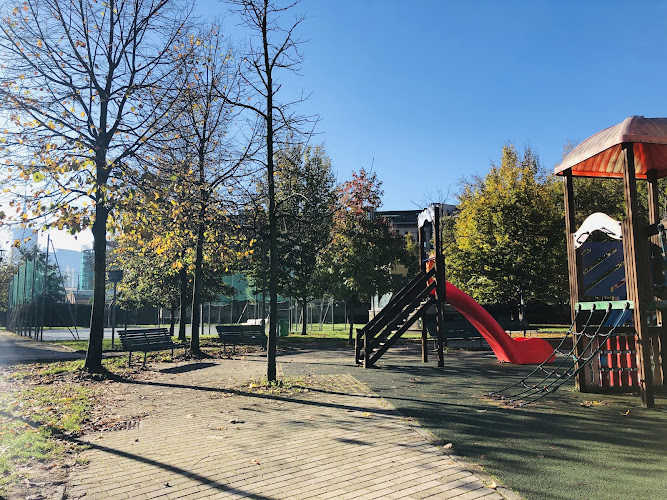
The Villa Comunale in Naples, Italy, is a historic public park that has played a significant role in the city's cultural and social life since its establishment in the 1780s. Originally commissioned by King Ferdinand IV, later known as Ferdinand I of the Two Sicilies, the park was designed as a royal garden along the coast between the main city and the small port of Mergellina. Its creation marked a significant development in Naples' urban landscape, providing a space for leisure and recreation for the royal family and, on special occasions, the public. The park was officially opened to the general public in 1869, following the unification of Italy, reflecting a shift towards public access to royal spaces. (en.wikipedia.org)
Spanning over 1 kilometer along the Bay of Naples, the Villa Comunale stretches from Piazza Vittoria to Piazza della Repubblica. Its design incorporates a variety of landscapes, including manicured gardens, tree-lined avenues, and open spaces, all offering panoramic views of the bay and the surrounding city. The park is home to several notable structures, including the Anton Dohrn Aquarium, built in the 1870s. This aquarium is one of the oldest in Europe and has been a center for marine research and education, contributing to the scientific community's understanding of marine life. (en.wikipedia.org)
Bagnoli, a western seaside quarter of Naples, is part of the 10th municipal district, along with Fuorigrotta. It is bordered by Pozzuoli to the north, Posillipo to the south, and Fuorigrotta to the east. The area includes the island of Nisida and is characterized by its volcanic nature, being part of the Campi Flegrei. The name "Bagnoli" likely derives from the Latin "balneolis," indicating its historical association with thermal baths. Before the establishment of industrial settlements, Bagnoli was known for its numerous thermal sites, reflecting its long-standing connection to wellness and leisure. (en.wikipedia.org)
In the early 20th century, Bagnoli underwent significant industrialization, becoming one of the most important industrial hubs in southern Italy. The Ilva steelworks, formerly known as Italsider, began operations in the early 1900s and continued until the 1990s. This industrial presence profoundly transformed the area's landscape and economy, introducing new infrastructure and a workforce that reshaped the community's dynamics. However, the industrial era also left environmental challenges, including pollution and urban decay, which have been subjects of ongoing efforts for remediation and revitalization. (en.wikipedia.org)
Following the closure of the Ilva steelworks, Bagnoli has been the focus of urban regeneration initiatives aimed at revitalizing the area and addressing environmental concerns. The former industrial pier has been converted into a public promenade, providing residents and visitors with access to the waterfront and recreational spaces. The Città della Scienza ("Science City") has been established as a public educational facility and convention center, fostering scientific research and public engagement with science. These developments reflect a broader trend of transforming industrial sites into cultural and recreational spaces, contributing to the community's quality of life and economic development. (en.wikipedia.org)
In June 2024, the Lido Comunale Bagnoli, a public beach area, reopened after two years of closure. This facility offers free access to citizens and is equipped with amenities such as umbrellas, sunbeds, and sports facilities, including beach volleyball, beach rugby, and bocce. The reopening of the lido has been a significant development for the community, providing a space for leisure and social interaction. The beach area is accessible daily from 9:00 to 18:00, ensuring that residents and visitors can enjoy the coastal environment. (napoli.zon.it)
The Villa Comunale and Bagnoli area exemplify the dynamic interplay between Naples' historical heritage and its ongoing efforts towards urban renewal and community engagement. These spaces serve as cultural landmarks, recreational areas, and symbols of the city's resilience and adaptability. They reflect the community's commitment to preserving its rich history while embracing modern
Location