attractions
Garmabadari Square (میدان گرمابدری)
About this place
Discover Garmabadari Square (میدان گرمابدری)
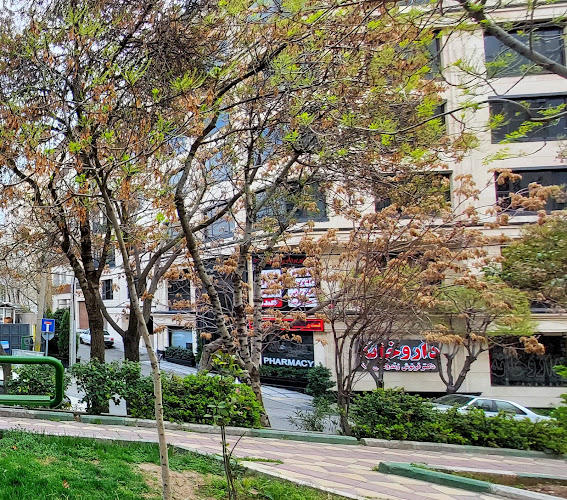
Garmabadari Square, located in Tehran's Ehsan Street area, serves as a focal point in the city's urban landscape. While specific historical records about the square are scarce, understanding its context within Tehran's broader history and development provides valuable insights into its significance.
Historical Context of Tehran
Tehran's origins trace back to at least 6,000 BCE, with archaeological evidence indicating early settlements in the region. The city's first documented mention appears in an 11th-century chronicle, describing it as a small village north of Ray (Rayy). Ray, once a major city, declined after the Mongol invasion in 1220, leading to Tehran's gradual rise. By the 13th century, Tehran had transformed into a prosperous market town, known for its pomegranates and its 12 rival neighborhoods with underground dwellings surrounded by trees. Spanish diplomat Ruy Gonzáles de Clavijo, visiting in 1404, described it as a large, well-supplied town without walls. (britannica.com)
Safavid Era and Urban Expansion
The Safavid dynasty (1501–1736) marked a pivotal period in Tehran's development. Shah Ṭahmāsp I, recognizing Tehran's strategic location, established a bazaar and fortified the town with a square wall and four gates in 1554. Subsequent Safavid rulers added more buildings, including a citadel, enhancing Tehran's status as a center of trade and regional capital. (britannica.com)
Qajar Dynasty and Capital Status
In 1786, Agha Mohammad Khan, founder of the Qajar dynasty, chose Tehran as the capital due to its proximity to his tribal territories and distance from former capitals. The city's population expanded rapidly, reaching 50,000 by 1796. By the mid-19th century, residential neighborhoods surrounded the walled citadel, the roofed bazaar, and the city's two focal points: Citadel Square and Herbs Market Square. (britannica.com)
Modernization and Urban Development
The late 19th and early 20th centuries saw significant modernization in Tehran. New walls, gates, institutions, buildings, streets, and neighborhoods were constructed, leading to a north-south divide in the city. The northern areas, characterized by green spaces and tree-lined streets, became more affluent, while the southern parts faced challenges like inadequate sewage systems and air pollution. This period also witnessed the development of Tehran's urban structure, with primary and secondary axes connecting various parts of the city. (britannica.com)
Cultural and Architectural Landmarks
Tehran's urban landscape is dotted with significant cultural and architectural landmarks. The Grand Bazaar, a historic market, has been a hub of commerce since the Safavid era. The city's central bazaar, with its miles of roofed streets, domed trading halls, mosques, and caravanserais, remains a tourist attraction and center of economic activity. (en.wikipedia.org)
Garmabadari Square's Role
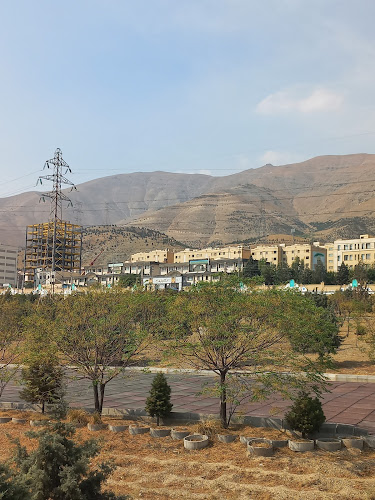
While specific details about Garmabadari Square are limited, its location in Tehran's Ehsan Street area places it within a city rich in history and culture. The square likely serves as a local hub, reflecting Tehran's blend of traditional Persian architecture and modern developments. Its proximity to other historical sites and commercial centers underscores its importance in the city's urban fabric.
Visitor Information
For visitors interested in exploring Tehran's rich heritage, the Grand Bazaar offers a glimpse into the city's commercial history. The central bazaar, with its miles of roofed streets, domed trading halls, mosques, and caravanserais, remains a tourist attraction and center of economic activity. (en.wikipedia.org)
In conclusion, Garmabadari Square, situated in Tehran's Ehsan Street area, embodies the city's rich history and cultural significance. While specific historical records about the square are scarce, its context within Tehran's broader development highlights its role in the city's urban landscape.
Location