About this place
Discover Pa Minar Cistern
Pa Minar Cistern
The Pa Minar Cistern, situated in Zavareh, Isfahan Province, Iran, stands as a testament to the region's rich historical and architectural heritage. Zavareh, the capital of Zavareh District in Ardestan County, is located in the northeast of Isfahan Province, adjacent to the central desert area. The city's strategic position has endowed it with a diverse and storied past, marked by significant developments from the Sassanian era through the Seljuk period. (en.wikipedia.org)
Historical Background
Zavareh's history traces back to ancient times, with evidence of a Sassanian fire temple indicating its early significance. During the Seljuk period, the city emerged as a prominent trade center, facilitating commerce and cultural exchange across the region. The name "Zavareh" is believed to be derived from Zavara, the brother of Rostam, a mythical hero in Persian literature, reflecting the city's deep-rooted cultural connections. (en.wikipedia.org)
Architectural Significance
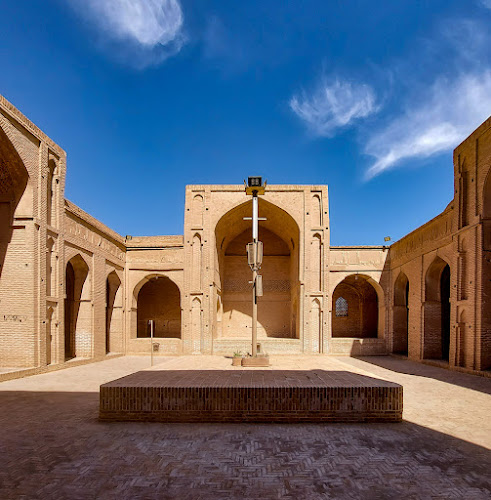
The Pa Minar Mosque, associated with the cistern, is renowned for its architectural features. The mosque's minaret bears a Kufic inscription dating it to 1068–1069, making it the second oldest dated minaret in Iran, after the one in Saveh. This inscription not only provides a chronological anchor but also showcases the artistic and linguistic styles prevalent during the Seljuk era. The mosque's main shabestan section, originating from the Sassanian era, has been destroyed; however, five historical mihrabs from the Seljuk period remain, offering valuable insights into the architectural evolution and religious practices of the time. (hamehchibazar.com)
Cultural and Social Context
The cistern itself exemplifies traditional Iranian water storage systems, designed to collect and store water for the community. In arid regions like Zavareh, such structures were vital, providing a reliable water source during dry periods and supporting the agricultural and daily needs of the population. The Pa Minar Cistern's architectural design reflects the ingenuity of ancient Iranian engineering, combining functionality with aesthetic appeal. Its construction underscores the community's understanding of hydrology and their ability to adapt to the challenges posed by the desert environment.
Architectural Features
The cistern's design is a remarkable example of traditional Iranian architecture, characterized by its subterranean structure that minimizes water evaporation and maintains a cool temperature. The use of local materials and construction techniques not only ensured the cistern's durability but also harmonized it with the surrounding landscape. The integration of the cistern with the Pa Minar Mosque highlights the multifunctional nature of Islamic architecture, where religious and practical needs were often intertwined.
Restoration and Preservation Efforts
In recent years, efforts have been made to restore and preserve the Pa Minar Cistern, ensuring that this historical monument continues to be a source of pride and education for future generations. These restoration projects aim to repair structural damages, reinforce the cistern's capacity, and enhance its accessibility to visitors. By investing in the preservation of such sites, Iran demonstrates its commitment to safeguarding its cultural heritage and promoting historical tourism.
Visitor Information
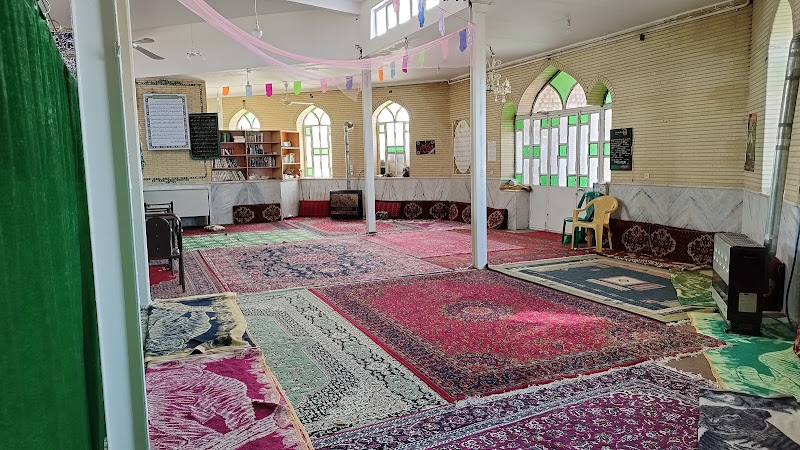
For those interested in exploring the Pa Minar Cistern, Zavareh offers a unique glimpse into Iran's architectural and cultural history. Visitors can tour the cistern and the remnants of the Pa Minar Mosque, gaining insights into the engineering marvels of ancient Iran and the religious practices of the time. The site serves as an educational resource, shedding light on the sophisticated water management systems that supported life in arid regions. Travelers are encouraged to check local guidelines and opening hours before planning their visit to ensure a fulfilling experience.
Conclusion
The Pa Minar Cistern is more than just a historical monument; it is a symbol of the resilience and ingenuity of the people of Zavareh. Its preservation allows us to connect with the past, appreciate the architectural achievements of ancient Iran, and reflect on the cultural and social dynamics that have shaped the region. As a focal point of historical and architectural interest, the cistern continues to inspire awe and admiration, standing as a testament to the enduring legacy of Iran's rich heritage.
Location