manufacturer
Raízen Junqueira Mogiana Plant (Raízen Usina Junqueira Mogiana)
About this place
Discover Raízen Junqueira Mogiana Plant (Raízen Usina Junqueira Mogiana)
Raízen Junqueira Mogiana Plant
The Raízen Junqueira Mogiana Plant, situated in Igarapava, São Paulo, stands as a testament to Brazil's rich history in sugarcane cultivation and processing. Its origins trace back to the 1940s when Francisco Maximiano Junqueira, affectionately known as Coronel Quito Junqueira, established the plant as part of his expansive sugarcane estate. Recognizing the need to provide housing for the workers integral to the plant's operations, Junqueira constructed a village that mirrored the architectural styles of the era, creating a self-sustained community. This village not only housed workers but also featured amenities such as a school, a market, and recreational facilities, fostering a close-knit community centered around the sugarcane industry. (pt.wikipedia.org)
Following Junqueira's passing, the village and plant were managed by the Fundação Sinhá Junqueira, named after his wife, Theolina Zemilla de Andrade Junqueira. The foundation played a pivotal role in preserving the cultural and historical significance of the village, ensuring that the legacy of the Junqueira family and the sugarcane industry was maintained. Over the decades, the village has evolved, yet it retains much of its original charm, with many of the buildings still standing as they did in the mid-20th century. The village now includes a museum dedicated to its history, offering visitors insights into the daily lives of the workers and the operations of the plant during its peak years. (pt.wikipedia.org)
In 2002, the plant underwent a significant transition when it was acquired by Raízen, a prominent Brazilian energy company formed through a joint venture between Shell and Cosan. Raízen's acquisition marked a new chapter for the plant, integrating it into a larger network of energy production facilities. Under Raízen's stewardship, the plant has continued to operate as a crucial component of Brazil's sugar and ethanol industry, benefiting from the company's extensive resources and expertise. The region's fertile soil and favorable climate conditions have enabled the plant to maintain high levels of sugarcane production, contributing significantly to the local and national economy. (novacana.com)
The plant's strategic importance is underscored by its various certifications and authorizations, reflecting its commitment to quality and sustainability. It holds authorization from the National Agency of Petroleum, Natural Gas, and Biofuels (ANP) to produce ethanol, ensuring compliance with national standards for biofuel production. Additionally, the plant has earned the Bonsucro certification, a global standard for sustainable sugarcane production, indicating its adherence to environmental and social criteria. The Etanol Verde certification further attests to the plant's commitment to environmental best practices, as it meets the specifications of the Protocolo Agroambiental established by the state of São Paulo. These certifications not only validate the plant's operational standards but also enhance its reputation in international markets. (novacana.com)
The plant's capacity for ethanol production is noteworthy, with significant daily outputs of both anhydrous and hydrated ethanol. This production capacity places the plant among the leading facilities in Brazil, contributing to the country's position as a global leader in biofuel production. The plant's ability to export ethanol to markets such as the United States and California further demonstrates its operational scale and the quality of its products. These export authorizations are indicative of the plant's compliance with international standards and its role in the global biofuel supply chain. (novacana.com)
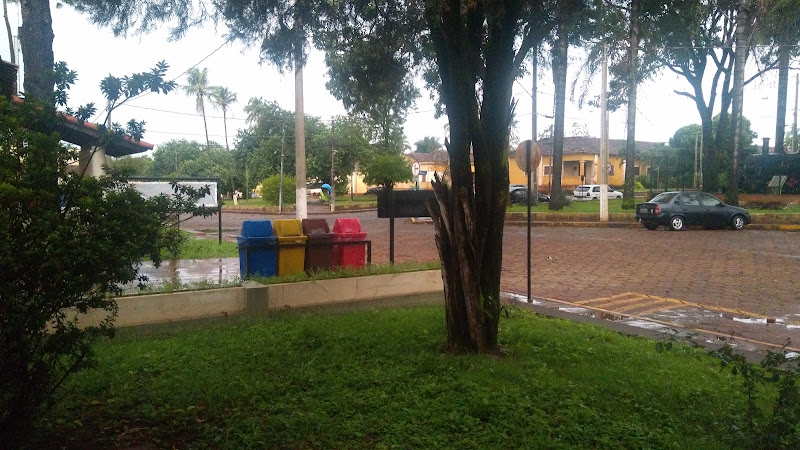
Beyond its industrial significance, the surrounding area, particularly the historic village, offers a unique glimpse into the region's cultural and historical heritage. The village's architecture, largely unchanged since the mid-20th century, provides a window into the past, showcasing the living conditions and community life of the workers who once inhabited the area. The museum within the village serves as a repository of artifacts and exhibits, narrating the story of the plant, the village, and the broader sugarcane industry. Visitors can explore the preserved steam locomotive, a testament to the technological advancements of the era, and the Praça Quito Junqueira, a central square named in honor of the founder, which remains a focal point for community gatherings and cultural events. The Fundação Sinhá Junqueira continues to oversee the preservation and promotion of the village's heritage, ensuring that the
Location