spiritist center
Admula de Nova Odessa Ilè Aṣe Alaketu Osoṣi Oṣala (Tenda de Umbanda Baiano Zé do Coco)

About this place
Discover Admula de Nova Odessa Ilè Aṣe Alaketu Osoṣi Oṣala (Tenda de Umbanda Baiano Zé do Coco)
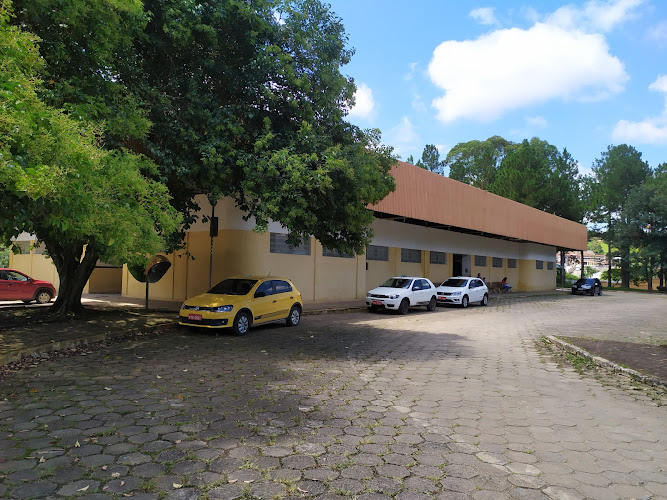
The establishment located at R. Washington Luís, 243 - Centro, Nova Odessa - SP, 13460-000, is officially registered as the "Association of Religious, Cultural, Social, and Beneficent Traditions of Afro-Brazilian Umbanda Baiano Zé do Coco and Avó Maria do Rosário." This organization is dedicated to the practice, preservation, and promotion of Afro-Brazilian religious traditions, with a particular emphasis on the Afro-Brazilian Umbanda religion.
Historical Context of Afro-Brazilian Religions
Afro-Brazilian religions have their roots in the transatlantic slave trade, which forcibly brought millions of Africans to Brazil between the 16th and 19th centuries. These enslaved individuals brought with them a rich tapestry of cultural and religious practices, which, over time, blended with indigenous beliefs and Catholicism, leading to the formation of unique syncretic religions.
Umbanda, one of the most prominent Afro-Brazilian religions, emerged in the early 20th century in Rio de Janeiro. It is characterized by its syncretic nature, combining elements of African traditions, Catholicism, Spiritism, and indigenous beliefs. The religion emphasizes healing, spiritual guidance, and community support, with rituals that often include music, dance, and mediumship.
Significance of the Name
The name of the organization reflects its deep roots in Afro-Brazilian spiritual practices. "Baiano" refers to the state of Bahia, a region in Brazil known for its strong African cultural influences. "Zé do Coco" translates to "Coconut Joe," which could be a colloquial or affectionate reference to a revered figure within the community, possibly a spiritual entity or a notable practitioner.
The inclusion of "Avó Maria do Rosário" in the organization's name suggests a veneration of a maternal or ancestral figure, as "Avó" translates to "Grandmother" in Portuguese. This reflects the importance of ancestral reverence in Afro-Brazilian spiritual practices, where elders and ancestors are honored and their wisdom is sought after.
Cultural and Social Contributions
Organizations like this play a crucial role in maintaining and promoting Afro-Brazilian cultural heritage. They serve as centers for religious worship, cultural expression, and social support. Through their activities, they provide a sense of community and belonging for individuals who identify with Afro-Brazilian traditions.
The association's activities may include religious ceremonies, cultural events, social outreach programs, and educational initiatives aimed at preserving and promoting Afro-Brazilian traditions. Such organizations are instrumental in fostering cultural pride and resilience among Afro-Brazilian communities.
Visitor Information
For those interested in learning more about the association's activities, attending ceremonies, or participating in cultural events, it would be advisable to contact them directly at the provided address. Engaging with local community resources in Nova Odessa can also provide additional information and guidance.
In summary, the "Association of Religious, Cultural, Social, and Beneficent Traditions of Afro-Brazilian Umbanda Baiano Zé do Coco and Avó Maria do Rosário" stands as a testament to the resilience and richness of Afro-Brazilian cultural and religious traditions. Through their dedication, they continue to honor their heritage and contribute to the cultural tapestry of Brazil.
Location