church
Candomblé temple (Terreiro de Candomblé)
About this place
Discover Candomblé temple (Terreiro de Candomblé)
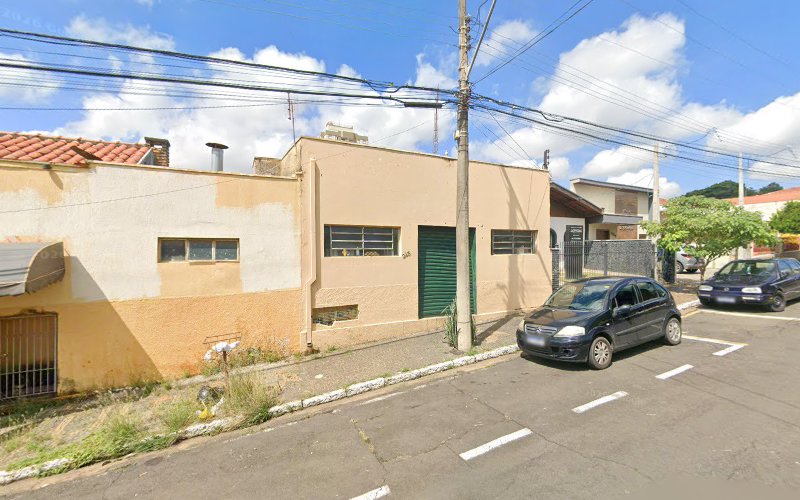
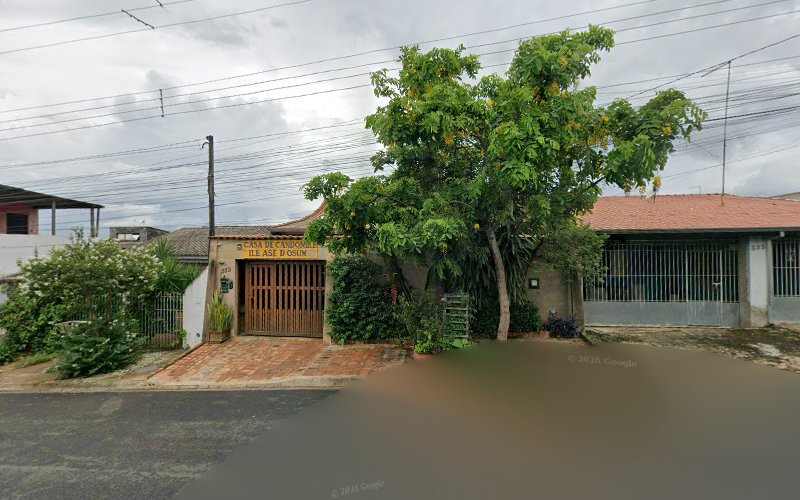
The establishment located at R. Palmas, 332 - Parque do Horto, Hortolândia - SP, 13183-662, is officially registered as Igreja Resgatando Famílias, operating under CNPJ 47.699.705/0001-02. This organization was founded on August 24, 2022, and is currently led by President Alexandre Aparecido dos Santos. It is registered under the CNAE code 9491-0-00, which pertains to activities of religious or philosophical organizations. (casadosdados.com.br)
The term "Terreiro de Candomblé" refers to a traditional Afro-Brazilian religious center dedicated to the practice of Candomblé, a religion that originated from African traditions brought to Brazil by enslaved people. Candomblé temples, known as terreiros, serve as spaces for worship, cultural preservation, and community gathering. These centers are characterized by their rich rituals, music, dance, and offerings to the Orixás, deities that represent natural forces and elements.
While the specific practices and history of the establishment at R. Palmas, 332 are not detailed in the available sources, it is common for such centers to play a vital role in maintaining Afro-Brazilian cultural heritage and providing spiritual guidance to their communities.
In the broader context of Candomblé in Brazil, there are several notable terreiros that have significantly contributed to the preservation and dissemination of Afro-Brazilian religious and cultural practices.
One such example is the Axé Ilê Obá, founded on September 30, 1950, by Caio Egydio de Souza Aranha, also known as Pai Caio de Xangô. Located in the Jabaquara district of São Paulo, this terreiro is one of the largest in the state, covering an area of 4,000 square meters. It has become a reference point for the tradition and maintenance of Afro-Brazilian religious practices, attracting visitors and practitioners from across the country. The terreiro is recognized as a historical and cultural heritage site by the São Paulo State Council for the Defense of Historical, Artistic, Architectural, and Tourist Heritage (CONDEPHAAT). (pt.wikipedia.org)
Another significant terreiro is the Ilê Alaqueto Axé Ibualamô, located in the Santo Amaro neighborhood of São Paulo. Founded on October 20, 1987, it is dedicated to the Orixá Ibualamô, a deity associated with hunting and originating from Ilobu in Nigeria. The terreiro is closely connected with the surrounding community, engaging in various social actions aimed at improving the quality of life and promoting the edification of African religious culture in Brazil. (pt.wikipedia.org)
The Abassá de Xangô Agodô e Odé Erinlé, located in Guarulhos, São Paulo, is another traditional Candomblé terreiro. More than just a religious space, it serves as a center for cultural preservation and ancestral spirituality, dedicated to the principles of the Nagô-Egbá nation. Its spiritual roots are linked to the historic Sítio do Pai Adão, the birthplace of Xangô in Pernambuco. The terreiro is led by Babalorixá Alexandre de Odé (Odetunbi) and Ialorixá Dida de Xangô (Obafunlé), both recognized for their commitment to Afro-Brazilian culture and the seriousness of their rituals. (pt.wikipedia.org)
These examples highlight the importance of terreiros in preserving and promoting Afro-Brazilian religious and cultural traditions. They serve as vital centers for worship, cultural expression, and community engagement, playing a crucial role in maintaining the rich tapestry of Brazil's diverse cultural heritage.
While specific details about the establishment at R. Palmas, 332 are limited, it is likely that it shares similar objectives in fostering community, preserving cultural traditions, and providing spiritual guidance within the context of Afro-Brazilian religious practices.
Location