Scenic spot
Shoulder Stone (Pedra do Ombro)
About this place
Discover Shoulder Stone (Pedra do Ombro)
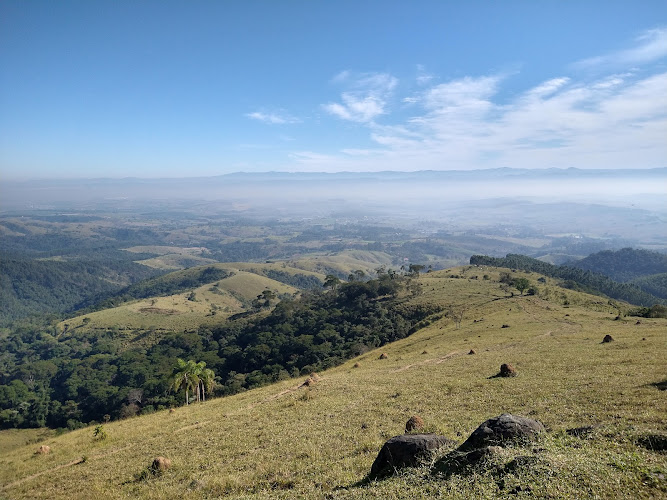
The Shoulder Stone, or Pedra do Ombro, is a remarkable geological formation situated in Caçapava, a municipality in the state of São Paulo, Brazil. This distinctive rock structure has captivated geologists, historians, and tourists alike due to its unique characteristics and the rich tapestry of history and culture associated with it.
Geological Characteristics
The Shoulder Stone is primarily composed of gneiss, a metamorphic rock that forms under high pressure and temperature conditions. Gneiss is characterized by its foliated texture, with alternating light and dark mineral bands, and is known for its durability and resistance to weathering. The formation's unique shape and size make it a significant point of interest for geological studies, offering insights into the region's tectonic history and the processes that have shaped the landscape over millions of years.
Surrounding Geological Features
The region around the Shoulder Stone is rich in geological diversity, with various rock formations and mineral deposits contributing to its unique landscape. The presence of gneiss and other metamorphic rocks indicates a complex geological history involving tectonic movements and metamorphic processes. This diversity has led to the development of a variety of ecosystems and habitats, supporting a wide range of flora and fauna.
Historical Significance
The area surrounding the Shoulder Stone has a deep historical significance, particularly concerning the use of stone in construction and art. During the colonial and imperial periods, the extraction and use of stone were integral to the development of infrastructure and cultural artifacts. The region's quarries provided materials for building churches, bridges, and other significant structures, many of which still stand today as testaments to the craftsmanship and resourcefulness of the past.
One notable historical site in the vicinity is the Muro dos Escravos (Wall of the Slaves), located in the Fazenda Bittencourt. This archaeological site is believed to have been constructed by enslaved individuals, showcasing the harsh realities of the era and the resilience of those who lived through it. The wall's construction using local stones, possibly including those from the region around the Shoulder Stone, highlights the historical significance of stone in the area. (cacapava.sp.gov.br)
Cultural Importance
Stone has played a pivotal role in the cultural development of Caçapava and the broader São Paulo region. The local economy has long been intertwined with the stone industry, with numerous quarries and stone-related businesses operating in the area. Companies such as Pedreira Serra Dourada Ltda and Marmoraria São Gabriel are involved in the extraction and processing of stones like granite and marble, supplying materials for construction, decoration, and art. These businesses not only contribute to the local economy but also preserve and promote the region's rich stone-working traditions. (cnpj.biz)
Notable Events and Developments
Over the years, the Shoulder Stone and its surrounding area have been the focus of various geological studies and archaeological excavations. These efforts have uncovered valuable information about the region's geological history and the human activities that have shaped its development. The findings have contributed to a deeper understanding of the area's past and have informed conservation and preservation efforts.
Visitor Information
For those interested in visiting the Shoulder Stone, the area offers a unique opportunity to explore the natural beauty and historical depth of São Paulo state. While specific visitor facilities may be limited, the surrounding region provides various attractions, including hiking trails, historical sites, and local businesses that showcase the area's stone-working heritage. Visitors are encouraged to respect local customs and regulations, ensuring that the natural and cultural sites remain preserved for future generations.
Conclusion
The Shoulder Stone stands as a testament to the geological and cultural richness of Caçapava and the broader São Paulo region. Its unique geological features, historical significance, and cultural importance make it a noteworthy landmark. Whether one is interested in geology, history, or cultural heritage, the Shoulder Stone offers a compelling glimpse into the natural and human history that has shaped this part of Brazil.
Location