museums
Museum and Social Fund (Museu e Fundo Social)

About this place
Discover Museum and Social Fund (Museu e Fundo Social)
Museum and Social Fund
The Museum and Social Fund in Álvares Machado, São Paulo, stands as a testament to the town's commitment to preserving its rich cultural heritage and history. Established in 2003, the museum was the result of a dedicated commission formed that year, aiming to create a space that would house and display artifacts, documents, and other items significant to the local community. Over the years, it has become a valuable resource for students, historians, and residents interested in learning about the town's past.
Historical Background
Álvares Machado, a municipality in the state of São Paulo, has a history that dates back to the late 19th century. The town was officially founded on December 30, 1891, and has since evolved from a small settlement into a vibrant community. The establishment of the museum was a significant milestone in the town's cultural development, providing a centralized location where the community could come together to celebrate and learn about their shared history.
Establishment of the Museum
The idea for the museum originated in 2003 when a group of local historians, educators, and community leaders recognized the need to preserve the town's history. This group formed a commission with the goal of creating a museum that would serve as a repository for historical artifacts and a center for cultural education. Their efforts culminated in the opening of the museum, which quickly became a focal point for cultural and educational activities in Álvares Machado.
Architectural Significance
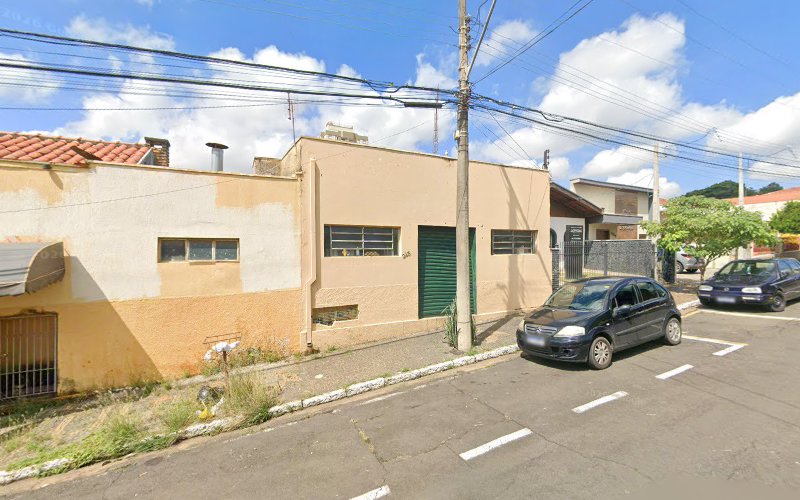
The museum is housed in a historic building that itself tells a story. Its architecture reflects the colonial influences that have left a lasting imprint on the region's aesthetic. The building's design features traditional elements such as arched windows, wooden shutters, and a tiled roof, all contributing to its charm and historical significance. The structure has been carefully preserved and restored to maintain its original character while accommodating modern museum functions.
Exhibits and Collections
The museum's collection includes a diverse array of items, such as photographs, tools, clothing, and household items from various eras, providing visitors with a tangible connection to the daily lives of those who lived in Álvares Machado. Exhibits are thoughtfully curated to tell the story of the town's development, from its early days to the present, highlighting key events, cultural shifts, and notable figures who have shaped its identity.
One of the most significant exhibits is dedicated to the indigenous peoples who inhabited the region long before European settlers arrived. Artifacts such as pottery, tools, and clothing provide insight into the rich cultural traditions and lifestyles of these communities. Another notable exhibit focuses on the colonial era, showcasing items that reflect the daily lives of early settlers, including furniture, clothing, and agricultural tools.
In addition to its permanent exhibits, the museum hosts temporary displays and special events throughout the year, ensuring that there is always something new for visitors to explore. These events often coincide with local festivals and holidays, providing a dynamic and engaging experience for both residents and tourists.
Educational Programs and Workshops
Educational programs and workshops are regularly organized, catering to different age groups and interests, fostering a deeper understanding and appreciation of the town's history. School groups frequently visit the museum as part of their curriculum, engaging in guided tours and interactive sessions that bring history to life. Workshops on traditional crafts, cooking, and music are also offered, allowing participants to experience firsthand the cultural practices of the past.
Community Engagement
The museum plays a vital role in community engagement, serving as a gathering place for residents to connect with their heritage. It hosts regular community events, such as lectures, film screenings, and cultural performances, fostering a sense of pride and unity among the townspeople. The museum also collaborates with local artists and artisans, providing them with a platform to showcase their work and connect with a broader audience.
Location