historical landmark
Seven-Acre Coconut Forest - Cam Thanh Coconut Village (Rừng Dừa Bảy Mẫu - Cam Thanh Coconut Village)
About this place
Discover Seven-Acre Coconut Forest - Cam Thanh Coconut Village (Rừng Dừa Bảy Mẫu - Cam Thanh Coconut Village)
Seven-Acre Coconut Forest - Cam Thanh Coconut Village
Nestled approximately 3 kilometers east of Hoi An's Ancient Town, Cam Thanh Coconut Village, also known as the Seven-Acre Coconut Forest, is a serene eco-tourism destination that offers visitors a glimpse into the traditional rural life of Vietnam. This lush area, spanning nearly 100 hectares, is characterized by its extensive nipa palm groves and tranquil waterways, providing a peaceful retreat from the bustling city. (en.wikipedia.org)
Historical Background
The origins of Cam Thanh Coconut Village trace back over two centuries. Migrants from Vietnam's southwestern region introduced water coconuts to the area, finding the local soil and water conditions ideal for cultivation. Over time, these coconuts naturally expanded into a dense forest, now covering nearly 100 hectares. Despite this growth, the locals continue to affectionately refer to it as the "Seven-Acre Coconut Forest," a name that has become deeply ingrained in the community's identity. (adventure-journey.com)
During the Vietnam War, the coconut forest served as a crucial revolutionary base, offering natural camouflage and protection for the Viet Cong fighters. Its dense canopy and intricate network of waterways provided an effective hiding place, contributing to the success of several military operations. Today, the forest stands as a testament to resilience and a symbol of the area's rich history. (hoianitinerary.com)
Natural Features and Biodiversity
The forest is primarily composed of nipa palms (Nypa fruticans), a species native to Southeast Asia. These palms thrive in brackish water environments, making the area around the Thu Bon River estuary particularly suitable for their growth. The dense canopy of the nipa palms creates a unique micro-ecosystem, supporting a variety of aquatic species, including fish, shrimp, and crabs. This biodiversity not only sustains the local fishing industry but also contributes to the ecological balance of the region. (en.wikipedia.org)
Cultural Significance
Cam Thanh Coconut Village is a hub of traditional Vietnamese culture and craftsmanship. Local artisans engage in various crafts, such as weaving baskets and mats from water hyacinth, a practice that has been passed down through generations. These handcrafted items are not only functional but also serve as cultural artifacts, reflecting the community's heritage and artistic expression. (visitourvietnam.com)
Agriculture plays a vital role in the village's economy. Farmers cultivate rice paddies and fish ponds, employing traditional methods that have been honed over centuries. The cultivation of water coconuts is particularly significant, as the sweet and fragrant juice is a local delicacy. Visitors have the opportunity to sample fresh coconut water directly from the husk, offering a refreshing taste of the region's natural bounty. (visitourvietnam.com)
Tourism and Activities
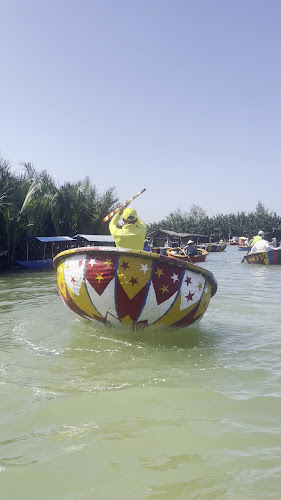
For visitors, the village offers a range of activities that provide insight into its natural beauty and cultural heritage. One of the most popular experiences is the traditional basket boat ride through the Bay Mau Coconut Forest. These round bamboo boats, known as "thung chai," have been used by local fishermen for centuries. Navigating through the narrow waterways, visitors are immersed in a labyrinth of green tunnels formed by the overhanging nipa palms. The boatmen often demonstrate traditional fishing techniques, such as net casting and crab catching, offering visitors a chance to participate and learn about these age-old practices. (hoianitinerary.com)
Cycling through the village provides another unique perspective. The palm-lined lanes, rice paddies, and fish ponds create a picturesque landscape that reflects the simplicity and beauty of rural life. This leisurely ride allows visitors to interact with locals, observe traditional farming methods, and appreciate the harmonious relationship between the community and its environment. (hoianitinerary.com)
For those interested in local cuisine, the village offers opportunities to sample traditional dishes and participate in cooking classes. Learning to prepare local specialties provides a deeper understanding of the region's culinary traditions and the significance of certain ingredients, such as water coconuts, in Vietnamese cuisine. (visitourvietnam.com)
Visitor Information
The best time to visit
Location