historical landmark
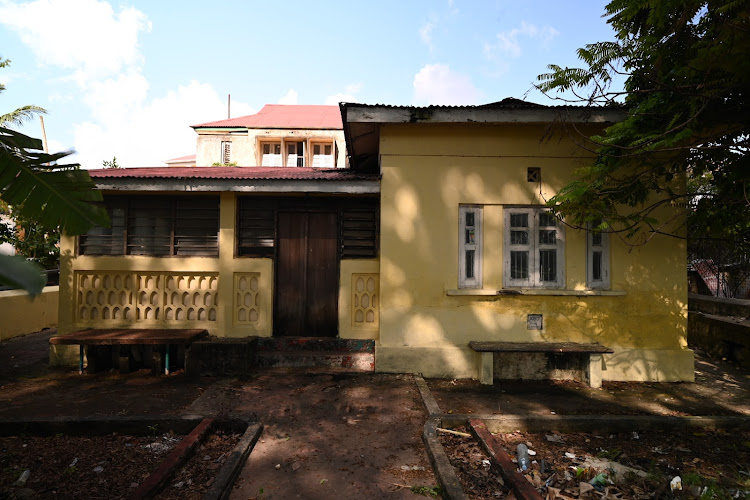
House of Architect Ajit Singh
About this place
Discover House of Architect Ajit Singh
House of Architect Ajit Singh
Ajit Hoogan Singh, an Indian-born architect, arrived in Zanzibar in 1936, bringing with him a wealth of architectural knowledge and a passion for creating buildings that bridged multiple cultures. Born in Punjab, India, Singh's diverse cultural heritage profoundly influenced his architectural style, resulting in designs that seamlessly blended African, Indian, and European elements. This unique fusion is evident in many of his works, which have left an indelible mark on Zanzibar's urban landscape.
Upon settling in Zanzibar, Singh joined the Department of Public Works as a draftsman. His exceptional skills and innovative approach quickly propelled him to the forefront of the city's architectural scene. Over the years, he became integral to the design and construction of many of Zanzibar's most iconic buildings, each reflecting his commitment to cultural integration and architectural excellence.
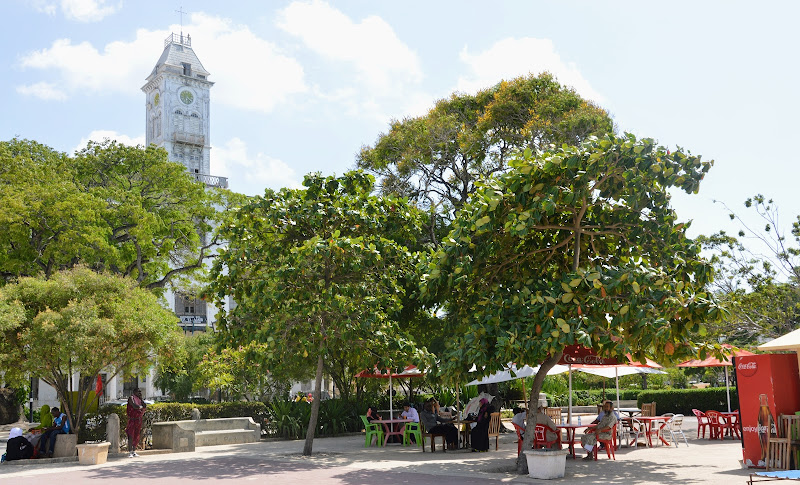
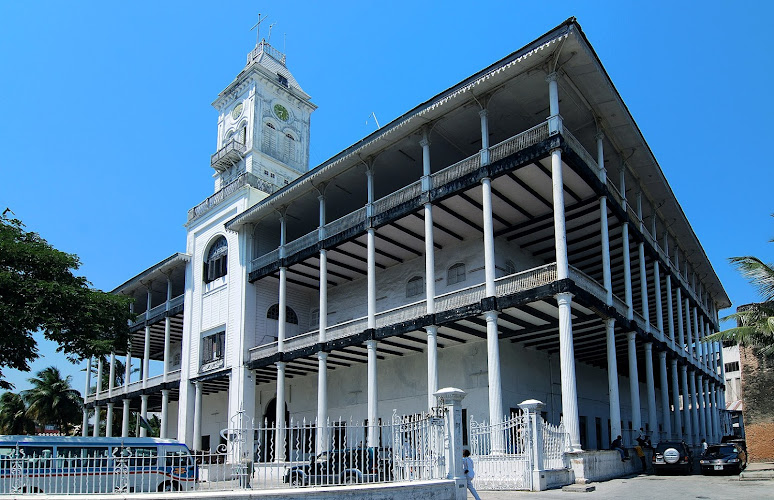
One of Singh's most significant contributions is the House of Wonders, also known as Beit al-Ajaib. Built in 1883 by Sultan Barghash bin Said, this landmark building in Stone Town was intended as a ceremonial palace celebrating modernity. Singh's involvement in its design and construction showcases his ability to blend traditional Swahili architecture with European and Indian influences, creating a structure that stands as a testament to Zanzibar's rich cultural heritage. (archnet.org)
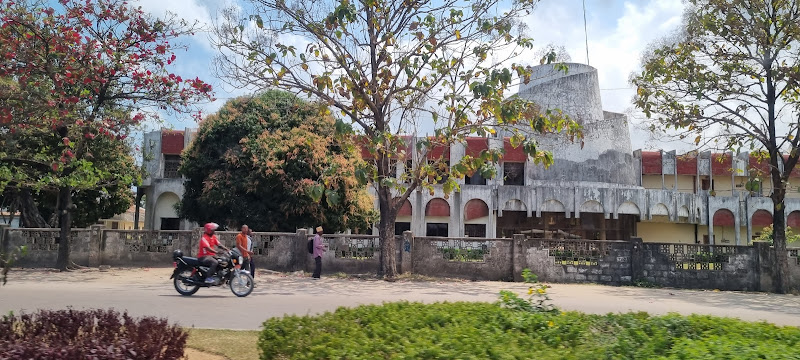
Another notable work attributed to Singh is the Palace Museum, also known as Beit al-Sahel. Constructed by Sultan Barghash in 1883, this opulent palace features beautiful marble flooring, coral stone walls, and silver decorations. Singh's architectural vision is evident in the palace's design, which combines elements of European style with Zanzibari tradition, reflecting the island's diverse cultural influences. (wmf.org)
Despite his significant influence on Zanzibar's architectural landscape, Singh's legacy remained largely uncelebrated for many years. His contributions were often overshadowed by other prominent figures, and his name was seldom mentioned in discussions about the island's architectural history. This oversight persisted until recent efforts by his family to honor his impact on Zanzibar's urban transformation. Parmuk Singh, Singh's grandson, has been instrumental in bringing attention to his grandfather's work, displaying a collection of his architectural drawings and paintings that shed light on the visionary behind many of Zanzibar's iconic structures. (thecitizen.co.tz)
Singh's architectural philosophy was deeply rooted in his multicultural background. He believed in creating spaces that were not only functional but also reflective of the diverse cultural influences that shaped Zanzibar. His designs often incorporated traditional Swahili elements, such as coral stone walls and mangrove ceilings, alongside European features like cast iron columns and elaborate door carvings. This fusion resulted in buildings that were both aesthetically pleasing and culturally significant, serving as a testament to Zanzibar's rich history and diverse heritage.
In addition to his architectural endeavors, Singh was also a painter and philanthropist. His artistic talents extended beyond the drafting table, and his paintings and architectural drawings provide insight into his creative vision and the cultural influences that inspired his work. His philanthropic efforts were evident in his commitment to improving the living conditions of the local community, often incorporating elements into his designs that addressed the social and cultural needs of Zanzibar's residents.
Singh's contributions to Zanzibar's architectural landscape are a testament to his vision and dedication. His ability to blend diverse cultural elements into cohesive and functional designs has left an indelible mark on the island's urban environment. The recent efforts to honor his legacy are a step toward recognizing the importance of his work and ensuring that future generations appreciate the cultural and architectural richness he helped create.
As Zanzibar continues to evolve, Singh's architectural masterpieces stand as enduring symbols of the island's rich cultural heritage and the harmonious blending of diverse influences. His work serves as a reminder of the importance of preserving and celebrating the unique architectural styles that define Zanzibar, ensuring that the island's history and culture are honored and maintained for future generations.
In conclusion, Ajit Hoogan Singh's impact on Zanzibar's architectural landscape is profound and multifaceted. His ability to integrate African, Indian, and European architectural styles into cohesive and functional designs has left a lasting legacy on the island's urban environment. Through his work, Singh has contributed to the rich tapestry of Zanzibar's history and culture, creating spaces that reflect the island's diverse heritage and serving as enduring symbols of its architectural evolution.
Location