Tourist attraction
National Trust - Wimpole Estate
About this place
Discover National Trust - Wimpole Estate
Wimpole Estate
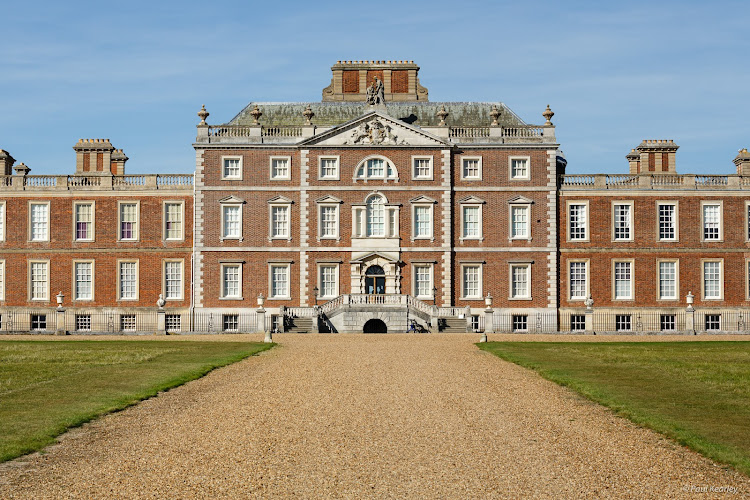
Wimpole Estate, situated in Cambridgeshire, England, is a historic property renowned for its architectural grandeur and expansive parkland. The estate encompasses Wimpole Hall, a country house that began construction in 1640, and spans approximately 3,000 acres of parkland and farmland. (en.wikipedia.org)
Historical Overview
The origins of Wimpole Estate trace back to the Chicheley family, who held the property from 1428. The current Wimpole Hall was constructed between 1640 and 1650, likely designed by Sir Thomas Chicheley. Over the centuries, the estate underwent several ownership changes, with notable architects such as James Gibbs, Henry Flitcroft, and John Soane contributing to its development. (en.wikipedia.org)
Architectural Highlights
Wimpole Hall showcases a blend of architectural styles. The Yellow Drawing Room, designed by John Soane in the 1790s, features a distinctive canopy-like ceiling. The Baroque chapel, adorned with trompe l'oeil murals by Sir James Thornhill, and the library designed by Gibbs for Edward Harley, Earl of Oxford, are also significant features. (nationaltrust.org.uk)
Parkland and Gardens
The estate's parkland was transformed by renowned landscape designers. Lancelot 'Capability' Brown redesigned the North Park in the 1760s, introducing serpentine lakes and a Gothic tower known as Wimpole's Folly. The walled garden, constructed in the 1790s, is a horticultural gem producing a variety of crops. (nationaltrust.org.uk)
Visitor Experience
Wimpole Estate offers a range of activities for visitors. The Home Farm, one of the UK's largest centers for rare breeds, provides an opportunity to see traditional farming practices. The estate also hosts various events throughout the year, catering to families and history enthusiasts alike. (nationaltrust.org.uk)
Historical Significance
Wimpole Estate holds a significant place in English history. The Chicheley family, who owned the estate from 1428, were influential figures, with Henry Chicheley serving as Archbishop of Canterbury. The estate's architectural evolution reflects the changing tastes and styles of successive eras, from the formal gardens of the 17th century to the naturalistic landscapes of the 18th century. (en.wikipedia.org)
Architectural Evolution
The architectural evolution of Wimpole Hall is a testament to the changing tastes and styles of successive eras. The original building, constructed between 1640 and 1650, was likely designed by Sir Thomas Chicheley. In the early 18th century, James Gibbs extended the house, and Sir James Thornhill added decorative elements. The mid-18th century saw further enhancements by Henry Flitcroft, and in the 1790s, John Soane introduced the Yellow Drawing Room, a highlight of the estate. (nationaltrust.org.uk)
Landscape Design
The landscape of Wimpole Estate was transformed by renowned designers. Lancelot 'Capability' Brown redesigned the North Park in the 1760s, introducing serpentine lakes and a Gothic tower known as Wimpole's Folly. The walled garden, constructed in the 1790s, is a horticultural gem producing a variety of crops. (nationaltrust.org.uk)
Visitor Experience
Wimpole Estate offers a range of activities for visitors. The Home Farm, one of the UK's largest centers for rare breeds, provides an opportunity to see traditional farming practices. The estate also hosts various events throughout the year, catering to families and history enthusiasts alike. (nationaltrust.org.uk)
Visitor Information
Wimpole Estate is open to the public, offering a range of activities and events throughout the year. The estate is accessible to visitors with mobility needs, with designated parking and facilities available. (nationaltrust.org.uk)
Conclusion
Wimpole Estate stands as a testament to England's rich history and architectural heritage. Its evolution over the centuries reflects the changing tastes and styles of successive eras, making it a must-visit destination for history enthusiasts and nature lovers alike.
Location