Historical landmark
Arabic Saint Chapel
About this place
Discover Arabic Saint Chapel
Arabic Saint Chapel
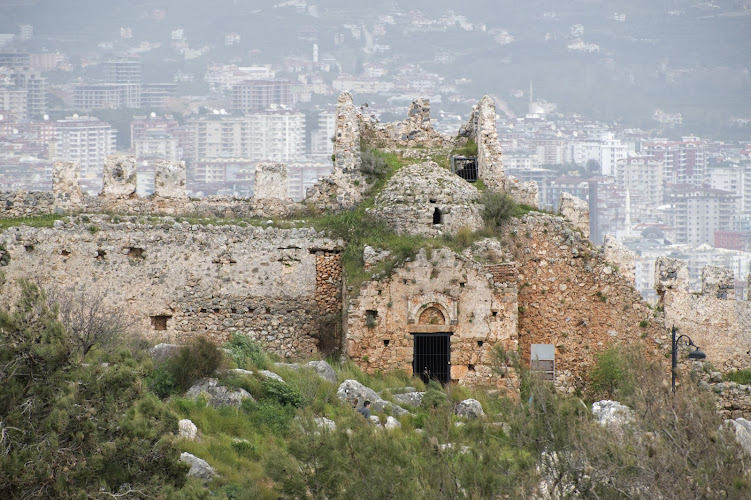
The Arabic Saint Chapel, nestled within the Alanya Castle complex in the Tophane district, stands as a testament to the region's multifaceted history and architectural evolution. Its unique design and strategic location offer insights into the cultural and historical tapestry of Alanya.
Historical Background
The origins of the Arabic Saint Chapel trace back to the Hellenistic period, approximately in the 3rd century BCE. During this era, the structure was erected as a 6-meter-wide square tower, serving as a defensive and observational point. The choice of location atop a cliff provided a strategic vantage point, allowing inhabitants to monitor the surrounding areas and protect the harbor below.
With the advent of the Byzantine era, the tower underwent significant modifications. Recognizing its strategic importance, the Byzantines transformed the structure into a small church. This conversion involved the addition of religious iconography and the establishment of a sacred space, reflecting the Byzantine Empire's influence and the spread of Christianity in the region.
The Seljuk period marked another transformative phase for the chapel. During the reign of Sultan Alaeddin Keykubat I in the 13th century, the chapel was preserved and reinforced. The roof was secured with a crenellated parapet, a distinctive feature of Seljuk architecture, enhancing its defensive capabilities. This adaptation underscores the Seljuks' strategic approach to fortifications and their respect for existing structures.
Throughout its history, the area surrounding the chapel served as a cemetery during both Christian and Islamic periods. This continuous use of the space for burial purposes highlights the site's enduring significance and the cultural practices of the time. The name "Arabic Saint" is derived from a tomb located in the vicinity, further emphasizing the chapel's association with religious and cultural landmarks. (commons.wikimedia.org)
Architectural Features
The Arabic Saint Chapel's architecture is a blend of the various periods it has witnessed. The original Hellenistic tower's square plan is evident in the chapel's base, providing a solid foundation. The Byzantine influence is apparent in the church's design elements, including the altar area and the orientation of the structure. The Seljuk addition of the crenellated parapet not only served a defensive purpose but also added an aesthetic dimension, characteristic of Seljuk fortifications.
The chapel's location within the Alanya Castle complex is strategic. Perched on a cliff, it offers panoramic views of the harbor, the Mediterranean Sea, and the surrounding landscape. This vantage point underscores the importance of the chapel in monitoring and protecting the harbor, a vital economic and strategic asset during the various periods.
Cultural Significance
The Arabic Saint Chapel is more than just a historical monument; it is a symbol of Alanya's cultural and religious diversity. The transitions from a Hellenistic tower to a Byzantine church and then to a Seljuk fortification reflect the region's dynamic history and the interplay of different cultures and religions. The continuous use of the area as a cemetery further signifies the site's spiritual importance across different eras.
The chapel's association with the name "Arabic Saint" adds a layer of mystique and intrigue. While the exact identity of the saint is not definitively known, the name suggests a connection to Christian saints venerated in the Arabic-speaking world, possibly indicating the spread of Christianity among Arabic-speaking communities in the region.
Notable Events
Over the centuries, the Arabic Saint Chapel has been a silent witness to numerous historical events. During the Byzantine period, it likely served as a center for Christian worship and community gatherings. The Seljuk era would have seen the chapel as a strategic military point, especially during conflicts and defense operations. The continuous use of the area as a cemetery indicates its role in the community's rituals and practices, serving as a final resting place for many over the centuries.
Visitor Information
Today, the Arabic Saint Chapel stands as a testament to Alanya's rich history and architectural evolution. Visitors can explore the chapel's unique features, including the remnants of the original tower, the Byzantine church elements, and the Seljuk crenellated parapet. The chapel's location within the Alanya Castle complex allows visitors to experience a comprehensive historical journey, with the added benefit of panoramic views of the harbor and the Mediterranean Sea.
To reach the chapel, visitors can ascend through the Alanya Castle complex, following the well-marked paths
Location