Place of worship
Temple of khruba Daeng
About this place
Discover Temple of khruba Daeng
Temple of Khruba Daeng
The Temple of Khruba Daeng, situated in the Mae Pong area of Doi Saket District, Chiang Mai Province, Thailand, stands as a testament to the rich spiritual heritage and architectural beauty of the Lanna Kingdom. Dedicated to the esteemed monk Khruba Daeng, the temple serves as a center for Buddhist practice, cultural preservation, and community engagement.
Historical Background
Khruba Daeng was a prominent figure in northern Thailand, renowned for his deep understanding of Buddhist teachings and his commitment to promoting spiritual practice among the local population. His influence extended beyond religious teachings, as he played a pivotal role in community development and the preservation of traditional Lanna culture. The establishment of the temple in his honor reflects the profound respect and admiration the local community holds for his contributions.
Architectural Features
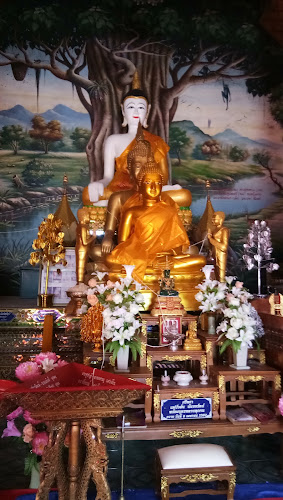
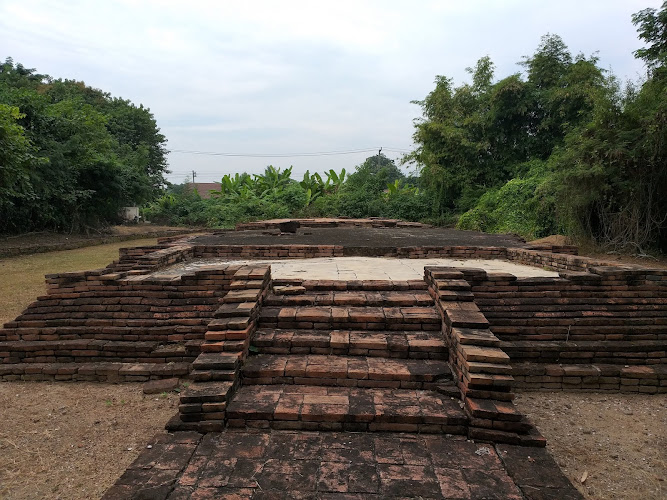
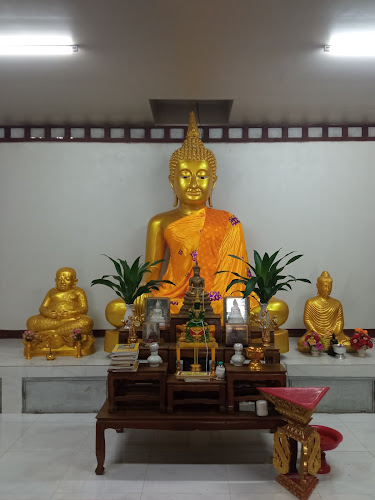
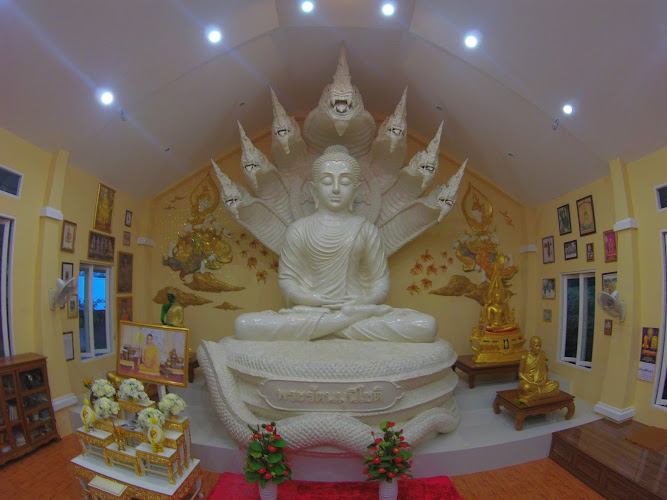
The temple's architecture is a prime example of traditional Lanna style, characterized by intricate woodwork, ornate decorations, and a harmonious integration with the natural surroundings. The main hall, or viharn, serves as the focal point of the temple complex. Inside the viharn, visitors can find a statue of Khruba Daeng, symbolizing his enduring presence and spiritual guidance. Adjacent to the viharn stands the chedi, a stupa that enshrines sacred relics and serves as a focal point for meditation and reflection.
Cultural Significance
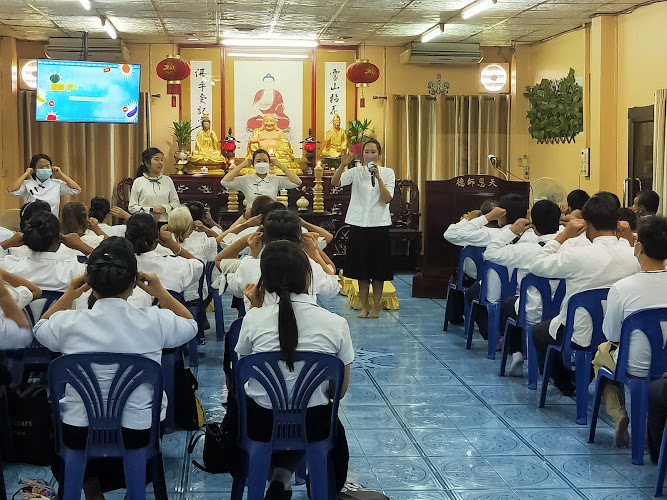
Beyond its architectural beauty, the Temple of Khruba Daeng holds significant cultural importance. It serves as a center for learning, where monks and laypeople gather to study Buddhist scriptures, engage in meditation, and participate in dharma talks. The temple also plays a crucial role in preserving and promoting traditional Lanna culture through various cultural events, workshops, and festivals. These activities provide visitors with an opportunity to immerse themselves in the rich cultural tapestry of northern Thailand.
Community Engagement and Festivals
The temple is deeply integrated into the local community, offering a space for spiritual practice, cultural exchange, and social interaction. It hosts annual festivals that celebrate Buddhist traditions and commemorate the life and teachings of Khruba Daeng. These festivals feature traditional music, dance, and culinary offerings, attracting both locals and tourists. They provide a unique opportunity to experience Thai Buddhist culture firsthand and participate in communal activities that foster a sense of unity and shared purpose.
Visitor Information
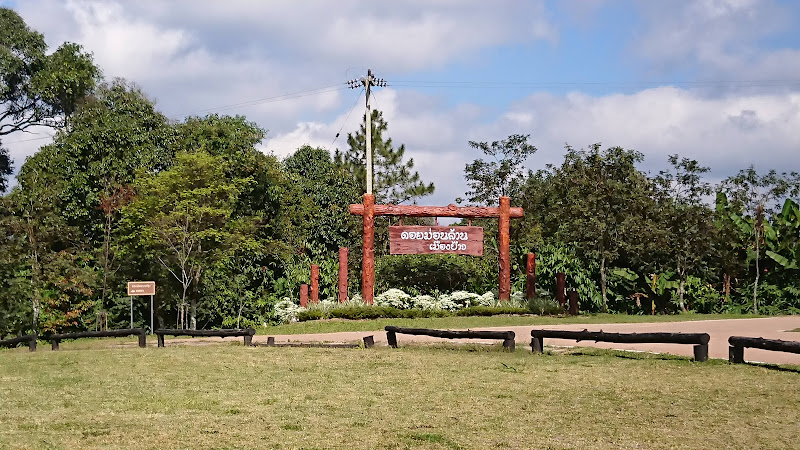
The Temple of Khruba Daeng is accessible by road from Chiang Mai city, with clear signage directing visitors to the Mae Pong area. The journey offers scenic views of the surrounding countryside, enhancing the overall experience. Visitors are encouraged to dress modestly, adhering to the cultural norms of Thai Buddhist temples. Appropriate attire includes long pants or skirts and shirts with sleeves. It is also customary to remove shoes before entering the temple buildings.
For those interested in deepening their understanding of Buddhist practices, the temple offers meditation sessions and dharma talks led by resident monks. These sessions cater to both beginners and experienced practitioners, providing guidance and support in a serene environment. The temple grounds also feature tranquil gardens and walking paths, ideal for contemplation and relaxation.
Conservation Efforts
In recent years, the temple has undertaken several conservation projects to preserve its historical and architectural integrity. These efforts include restoring wooden structures, repairing intricate carvings, and maintaining the temple grounds. The conservation work is carried out with the assistance of local artisans and volunteers, ensuring that traditional techniques are employed to maintain authenticity. These initiatives not only preserve the temple's heritage but also provide employment opportunities and promote traditional craftsmanship within the community.
Environmental Sustainability
The temple is committed to environmental sustainability, implementing practices that minimize its ecological footprint. It has established organic gardens that supply fresh produce for the temple's kitchen, reducing reliance on external sources and promoting self-sufficiency. Additionally, the temple has implemented waste management systems that emphasize recycling and composting, contributing to the conservation of the surrounding natural environment.
Educational Programs
Educational programs are a cornerstone of the temple's mission, aiming to provide knowledge and skills to both the monastic community and laypeople. These programs include language classes, traditional arts and crafts workshops, and courses on Buddhist philosophy
Location