Buddhist temple
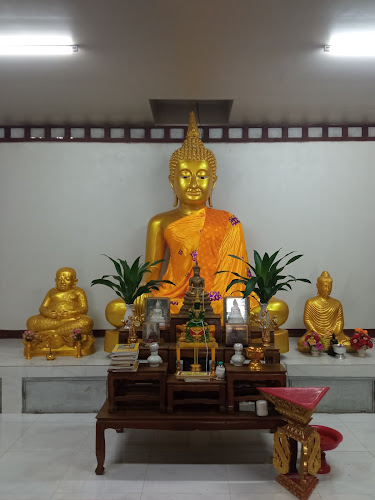
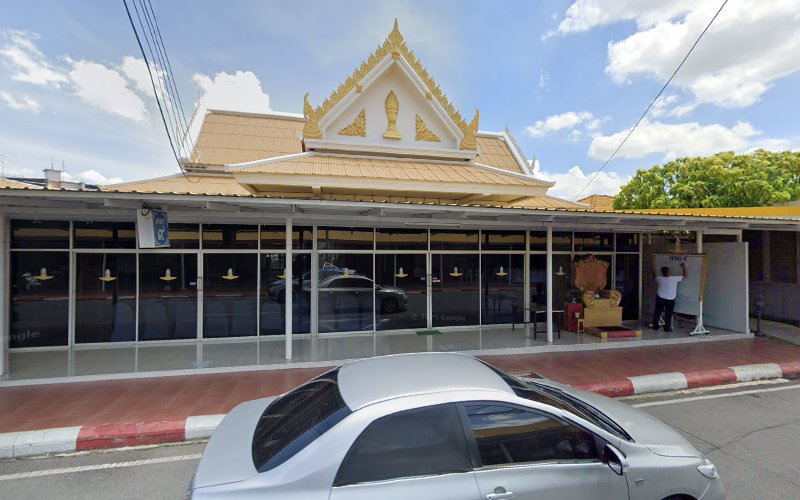
Wat Phra Si Mahathat (Bang Khen) Sala 9 (Wat Phra Si Mahathat (Bang Khen) Sala 9 วัดพระศรีมหาธาตุ (บางเขน) ศาลา 9)
About this place
Discover Wat Phra Si Mahathat (Bang Khen) Sala 9 (Wat Phra Si Mahathat (Bang Khen) Sala 9 วัดพระศรีมหาธาตุ (บางเขน) ศาลา 9)
Wat Phra Si Mahathat
Wat Phra Si Mahathat, situated in Bangkok's Bang Khen District, stands as a testament to Thailand's rich Buddhist heritage and the nation's political evolution in the early 20th century. Established in 1942, the temple's inception was deeply intertwined with the socio-political landscape of the time, reflecting the government's desire to commemorate significant historical events and symbolize the dawn of a new democratic era.
Historical Background
The temple's origins trace back to the aftermath of the Boworadet Rebellion in 1933, a pivotal event that marked a significant shift in Thailand's political trajectory. The rebellion, led by royalists under Prince Boworadet, was a direct challenge to the People's Party, which had orchestrated the Siamese revolution of 1932, transitioning Thailand from an absolute monarchy to a constitutional one. The government's victory in suppressing the rebellion was seen as a consolidation of democratic ideals and a repudiation of conservative forces.
In commemoration of this victory and to symbolize the new era's ideals of equality and democracy, Prime Minister Plaek Phibunsongkhram initiated the construction of Wat Prachathipatai, or Temple of Democracy, in 1941. The temple was strategically located near the Constitution Defense Monument in Bang Khen District's Lak Si Circle, a site that had witnessed the battle between the People's Party and the royalists. This proximity underscored the temple's role as a monument to the triumph of democratic principles over monarchical conservatism. (revolutionaryobjects.org)
Acquisition of Sacred Relics
In 1940, Rear Admiral Thawal Thamrong Navaswadhi was appointed as a special envoy to British India. During his mission, he acquired a piece of the Buddha's relic from the Dharmarajika Stupa in Taxila, present-day Pakistan. Additionally, he brought back five branches of the Bodhi Tree from the Mahabodhi Temple in Bodh Gaya, India, and soil samples from various sacred Buddhist sites. These sacred items were enshrined in the temple, leading to its renaming as Wat Phra Si Mahathat, or Temple of the Sacred Relics, in 1941. The enshrinement of these relics not only enhanced the temple's spiritual significance but also symbolized the unity of Thai Buddhism with other sacred Buddhist sites across Asia. (en.wikipedia.org)
Architectural Significance
The architectural design of Wat Phra Si Mahathat reflects a harmonious blend of traditional Thai Buddhist elements with modernist influences, embodying the transitional period of Thai architecture in the early 20th century. The temple's centerpiece is its white stupa, a monumental structure that houses a smaller golden stupa containing the Buddha's relics. This design not only serves as a focal point for the temple but also symbolizes the centrality of the Buddha's teachings in Thai society.
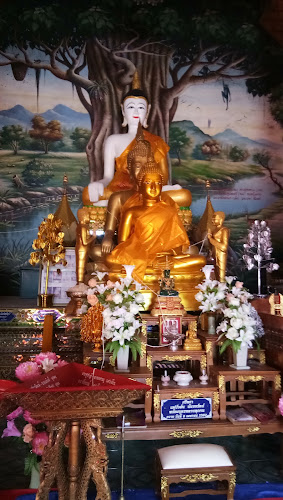
Surrounding the stupa are meticulously landscaped grounds adorned with sculptures and a serene park, providing a tranquil environment for meditation and reflection. The principal Buddha image, Phra Si Samphutthamuni, is a Sukhothai-style statue located in the main chapel, or ubosot. This image, transferred from the great vihāra of Wat Mahathat in Sukhothai, serves as a link between Thailand's ancient and modern Buddhist heritage. (en.wikipedia.org)
Elevation to Royal Monastery Status
In 1941, the Thai government elevated the temple's status to a first-class royal monastery, underscoring its significance in Thai Buddhism. This designation not only recognized the temple's architectural and spiritual importance but also symbolized the state's endorsement of the temple as a national monument. The elevation to royal monastery status was a significant event, reflecting the government's recognition of the temple's role in promoting Buddhist values and national identity.
Location