hiking area
Flax Hill (Cerro del Lino)
About this place
Discover Flax Hill (Cerro del Lino)
Flax Hill (Cerro del Lino)
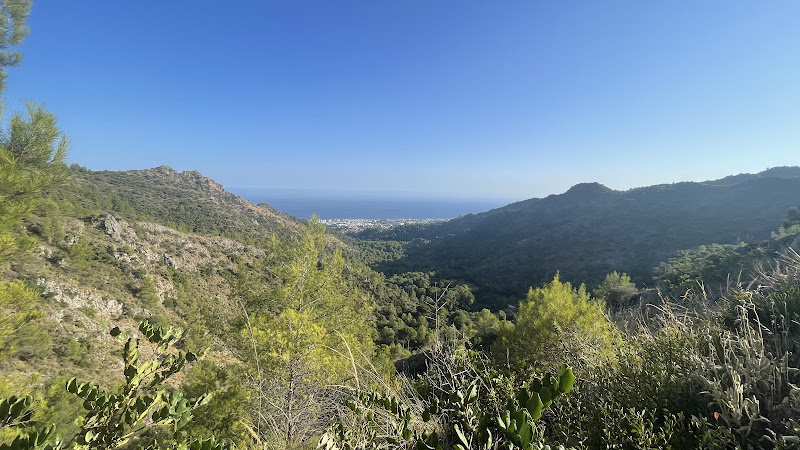
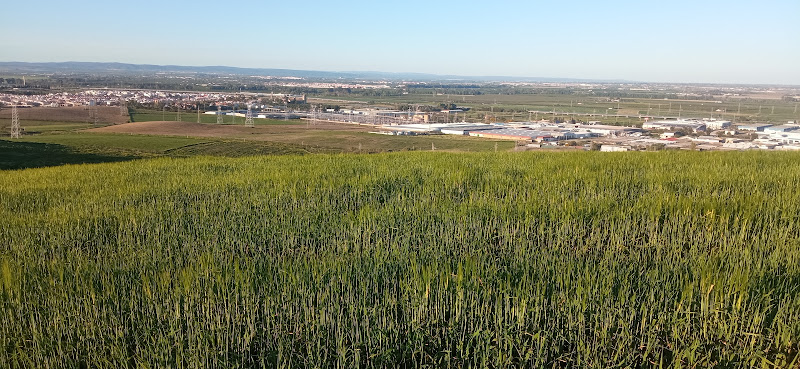
Flax Hill, or Cerro del Lino, is a prominent elevation in Castilleja de Guzmán, a charming municipality located on the Aljarafe ridge in the province of Seville, Spain. This hill offers expansive views of the Guadalquivir River valley and the surrounding Andalusian countryside, making it a significant geographical feature in the region.
Geographical and Historical Context
Castilleja de Guzmán is situated approximately 6 kilometers northwest of Seville, at an altitude of 131 meters. The town covers an area of 2 square kilometers and has a population of around 2,800 inhabitants. (es.wikipedia.org) Its strategic location on the Aljarafe ridge has endowed it with a rich and diverse history, with evidence of human presence dating back to prehistoric times.
Prehistoric and Ancient Settlements
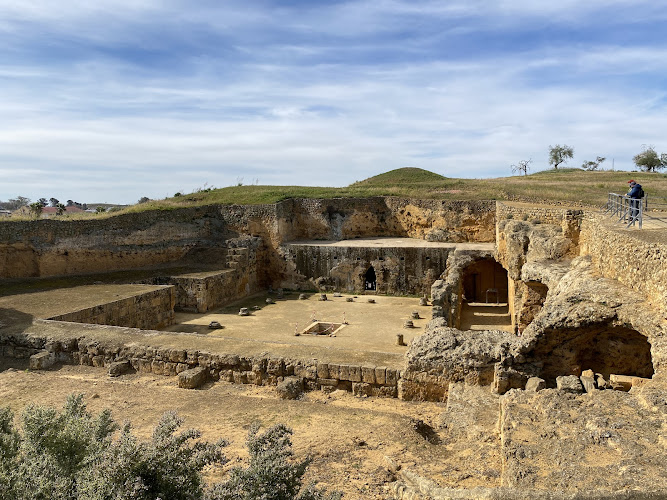
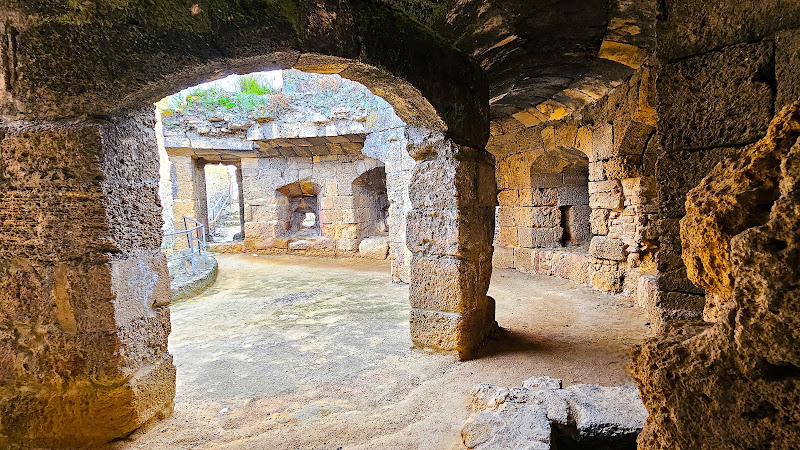
The origins of Castilleja de Guzmán trace back to the Chalcolithic period (third millennium B.C.), with archaeological findings indicating settlements by the Tartessians and Turdetans. The area is renowned for its extensive network of caves, galleries, and dolmens, marking it as one of the most significant Chalcolithic sites in Europe. (crwflags.com)
Roman Era
During Roman times, the settlement was known as Dunchuelas Raxit. Its elevated position made it an ideal military camp, serving as a natural watchtower to monitor the surrounding areas and prevent invasions. The Romans constructed a castle along the road from Hispalis (Seville) to Onuba (Huelva), underscoring the strategic importance of the location. (sevillapress.com)
Islamic Period
In the 8th century, following the Muslim conquest of the Iberian Peninsula, the area became part of the Al-Andalus territory. The settlement was referred to as Dunchuelas Taxit, with "Dunchuelas" possibly derived from the Mozarabic word "dominicellas," meaning "maids," indicating a possible connection to Roman times. A local legend suggests that the site was home to a collegium for vestal virgins. Notably, the Muslim leader Almanzor resided in the area, highlighting its continued strategic significance. (crwflags.com)
Christian Reconquista and Later History
After the Christian Reconquista in the 13th century, King Ferdinand III granted the village to the Order of Santiago. In 1251, his son, Alfonso X El Sabio, transferred it to the Order of Alcántara, renaming it Castilleja de Alcántara. In the early 16th century, the estate came under the jurisdiction of the Guzmán family, leading to its current name, Castilleja de Guzmán. (andalucia.com)
Architectural and Cultural Landmarks
A significant landmark near Flax Hill is the Palacio de los Guzmanes, an 18th-century palace that has undergone various restorations. Adjacent to the palace are the Jardines de Forestier, designed by French landscape architect Jean-Claude Nicolas Forestier in the late 1920s. These terraced gardens span 26,000 square meters and are recognized as a Site of Cultural Interest. (turismo.aljarafe.com)
Another notable feature is the Torre de Contrapeso, or Counterweight Tower. This structure is the only remaining part of the town's olive oil mill from the 18th century and has become a local symbol. (turismosevilla.org)
Natural Surroundings and Outdoor Activities
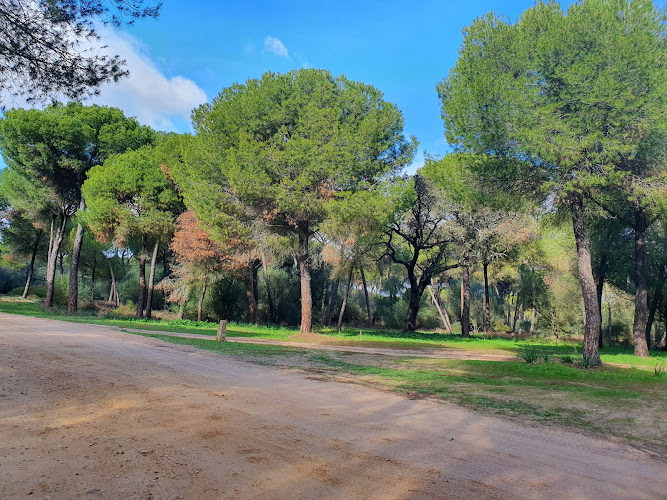
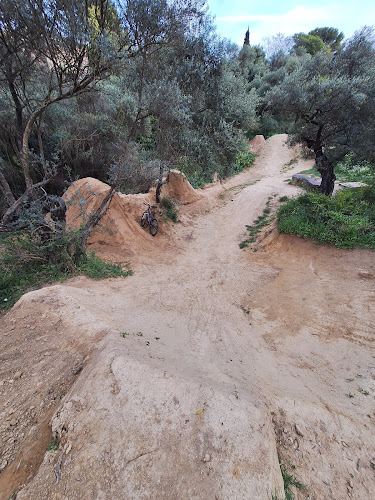
Visitors to Flax Hill can enjoy scenic walking routes and trails that showcase the natural beauty of the Aljarafe region. The town is surrounded by numerous routes and trails, offering different viewpoints to admire the best views of the Aljarafe.
Location