About this place
Discover Masjid al-Haram
Masjid al-Haram
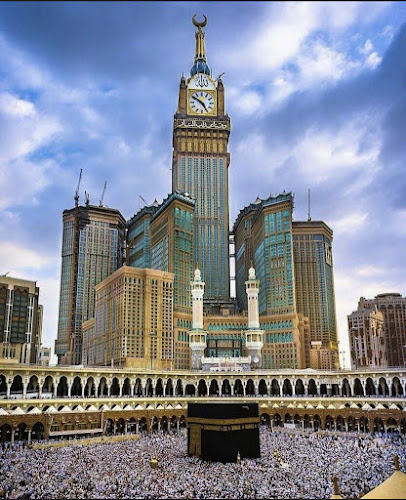
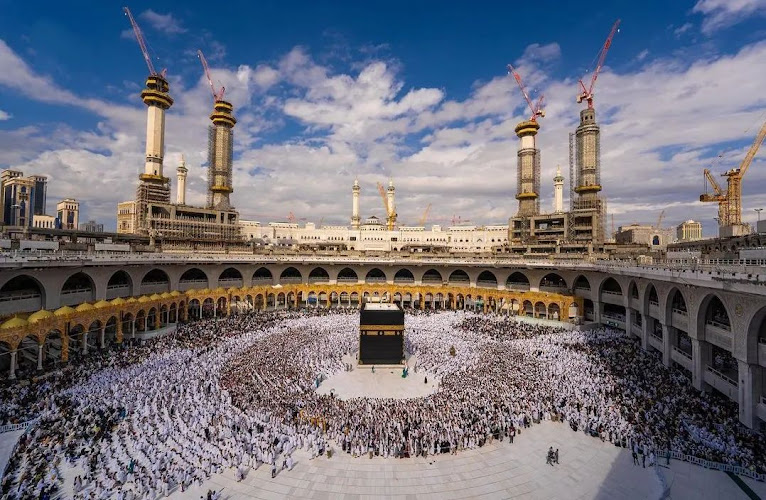
Masjid al-Haram, also known as the Great Mosque of Mecca, stands as the holiest and most significant site in Islam. Located in the heart of Mecca, Saudi Arabia, it serves as the focal point for millions of Muslims worldwide who undertake the sacred pilgrimages of Hajj and Umrah. The mosque's history is deeply intertwined with the origins of Islam, its architectural evolution, and its profound cultural and spiritual significance.
Historical Background
The origins of Masjid al-Haram trace back to the time of Prophet Ibrahim (Abraham) and his son Ismail (Ishmael). Islamic tradition holds that Ibrahim, following divine command, left his wife Hajar (Hagar) and son Ismail in the barren valley of Mecca. In this desolate landscape, Ismail struck the ground with his foot, and the Zamzam Well miraculously sprang forth, providing water for them. Later, Ibrahim was instructed to build a sanctuary, which led to the construction of the Kaaba, a cube-shaped structure that became the focal point of monotheistic worship. The Kaaba's significance is underscored by its mention in the Quran, where it is referred to as the "House of Allah."
Over the centuries, Masjid al-Haram has undergone numerous expansions and renovations to accommodate the increasing number of worshippers. The first significant expansion occurred during the reign of the Abbasid Caliph al-Mahdī (775–785), who rebuilt and expanded the structure, relocating the outer walls so that the Kaaba stood in the center of the courtyard. Subsequent renovations included those under the Ottoman Sultan Selim II in 1571, who directed the court architect Sinan to make improvements, replacing the flat roof with small domes. In the 20th century, the mosque underwent substantial modernization and enlargement to meet the needs of the growing Muslim population. The first Saudi enlargement began in 1955 during the reign of King Saud, and further expansions were undertaken by King Fahd in 1984 to accommodate the increasing numbers of Hajj pilgrims. (britannica.com)
Architectural Features
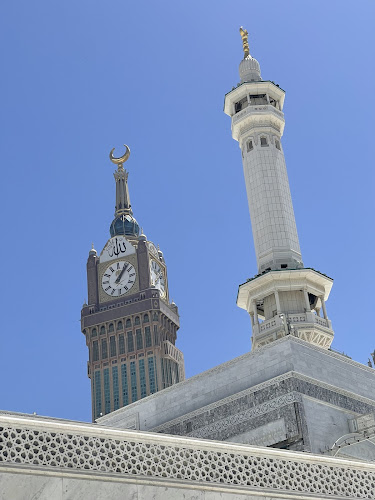
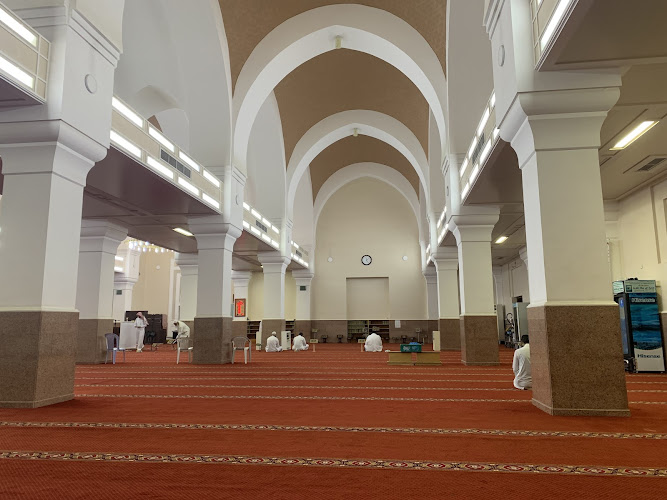
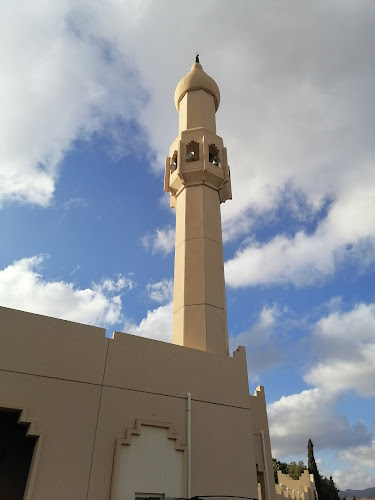
Masjid al-Haram's architecture is a testament to Islamic design and engineering prowess. The mosque comprises a vast rectangular central courtyard surrounded by covered prayer areas. The Kaaba, situated at the center of the courtyard, is the focal point for the Tawaf ritual, where pilgrims circumambulate the structure seven times in a counterclockwise direction. Adjacent to the Kaaba is the Maqam Ibrahim, a stone associated with the Quranic account of the rebuilding of the Kaaba by Ibrahim and Ismail. The mosque also houses the Black Stone (Hajar al-Aswad), embedded in the eastern corner of the Kaaba, which pilgrims attempt to kiss or touch during the Tawaf. The Sa'i ritual is performed between the hills of Safa and Marwah, located within the mosque's premises. The mosque's minarets, each standing at 89 meters (292 feet) tall, are architectural landmarks that enhance its grandeur. The mosque's capacity has expanded over time, with the largest expansion completed in 1973, increasing its area to approximately 1,630,000 square feet (152,000 square meters) and accommodating up to 500,000 worshippers. (britannica.com)
Cultural and Spiritual Significance
Masjid al-Haram holds profound cultural and spiritual significance for Muslims worldwide. It is the site of the Hajj pilgrimage, one of the Five Pillars of Islam, which every Muslim is required to perform at least once in their lifetime, provided they have the means and health to do so. The mosque also serves as the focal point for the Umrah pilgrimage, which can be undertaken at any time of the year. The rituals performed within the mosque, including the Tawaf, Sa'i, and the drinking of Zamzam water, are deeply symbolic acts of devotion and submission to Allah. The mosque's significance extends beyond its religious importance; it is a symbol of unity and devotion for Muslims worldwide. Its architectural grandeur and spiritual ambiance continue to inspire awe and reverence among visitors.
Visitor Information
Visiting Masjid al-Haram is a profound spiritual experience for Muslims. The mosque is open to visitors year-round, with the exception of certain periods during the Hajj season when access may be restricted. Pilgrims are advised to dress modestly and adhere to the mosque's guidelines and regulations. The Saudi government has implemented various measures to facilitate the smooth flow of pilgrims, including the expansion of facilities and the introduction of crowd management systems. However, due to the large number of visitors, especially during peak seasons, it is advisable to
Location