Mosque
Jamia Masjid Gulzar e Baghdadi (Baghdadi Masjid)
About this place
Discover Jamia Masjid Gulzar e Baghdadi (Baghdadi Masjid)
Jamia Masjid Gulzar e Baghdadi
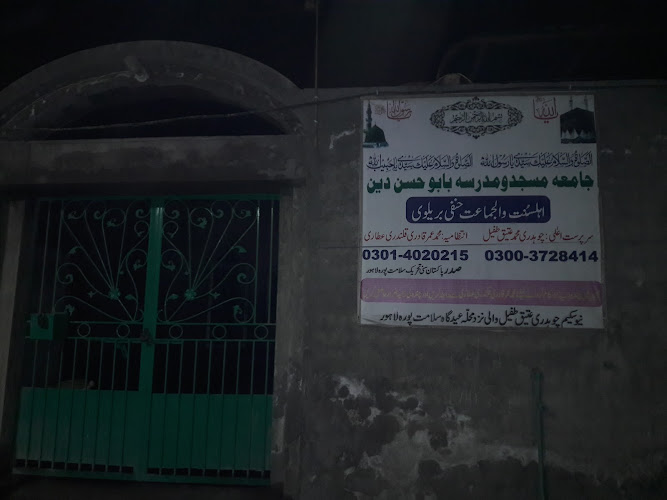
Jamia Masjid Gulzar e Baghdadi, commonly referred to as Baghdadi Masjid, stands as a significant religious and cultural landmark in the Akram Park area of Lahore, Pakistan. Located in the Baghdadi Mohallah neighborhood along Band Road, this mosque serves as a central hub for the local Muslim community, offering a space for worship, education, and social interaction.
Historical Background
While specific historical records detailing the mosque's establishment are scarce, its enduring presence highlights its integral role in the spiritual and communal life of Lahore's Baghdadi Mohallah. The mosque's name, "Gulzar e Baghdadi," translates to "Garden of Baghdad," possibly reflecting a cultural or historical connection to the city of Baghdad, renowned for its rich Islamic heritage. This nomenclature suggests that the mosque may have been established by individuals with ties to Baghdad or inspired by its architectural and cultural significance.
Architectural Features
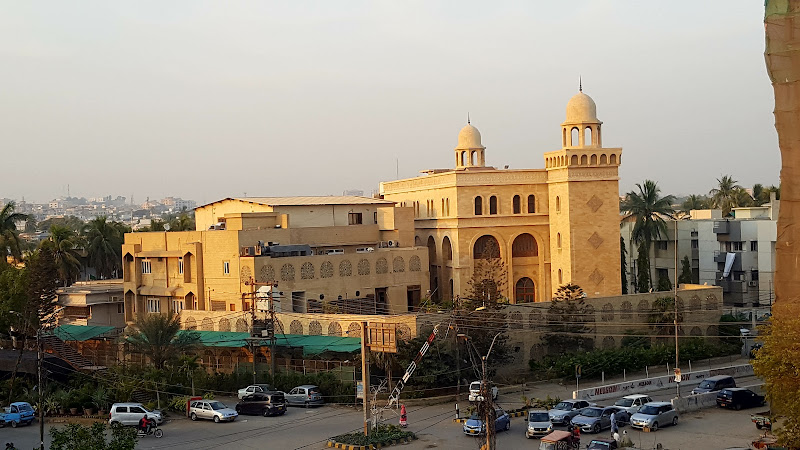
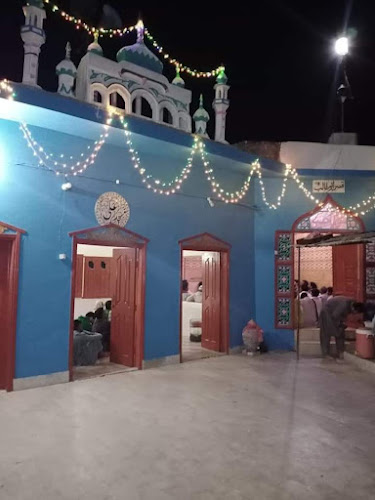
The mosque's architecture embodies traditional Islamic design principles, characterized by a central prayer hall, a prominent dome, and minarets. The central dome serves as a focal point, symbolizing the unity of the Muslim community under the oneness of God. Surrounding the dome, the mosque features minarets that not only enhance its aesthetic appeal but also serve as visual markers guiding worshippers to the mosque.
The interior of the mosque is adorned with intricate calligraphy and decorative motifs, creating a serene environment conducive to prayer and reflection. The walls and ceilings are embellished with verses from the Quran, Hadiths, and other Islamic inscriptions, reflecting the mosque's commitment to preserving and promoting Islamic knowledge and culture. The use of traditional materials and craftsmanship in the mosque's construction underscores the community's dedication to maintaining architectural authenticity and cultural heritage.
Community and Educational Role
Beyond its primary function as a place of worship, Jamia Masjid Gulzar e Baghdadi plays a pivotal role in the community by hosting educational programs. These programs include Quranic studies, Islamic teachings, and lectures on various aspects of Islamic jurisprudence and history. The mosque's educational initiatives aim to foster a deeper understanding of Islam among community members and to promote moral and ethical values in daily life.
The mosque also serves as a center for social interaction, bringing together individuals from diverse backgrounds within the community. It hosts events during significant Islamic occasions, such as Ramadan and Eid, providing opportunities for communal prayers, feasts, and charitable activities. These events strengthen the bonds among community members and reinforce the mosque's role as a focal point for social cohesion and support.
Cultural and Social Significance
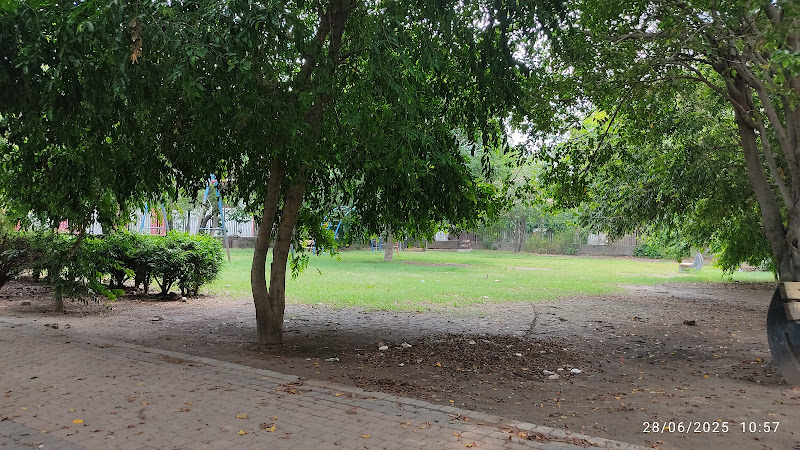
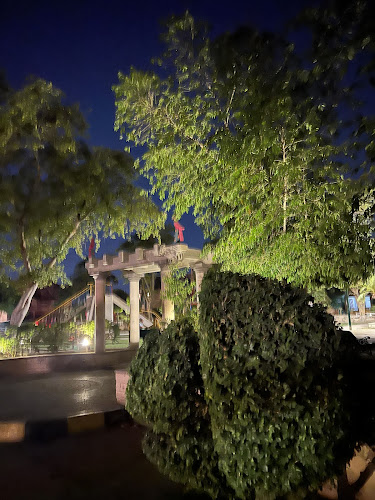
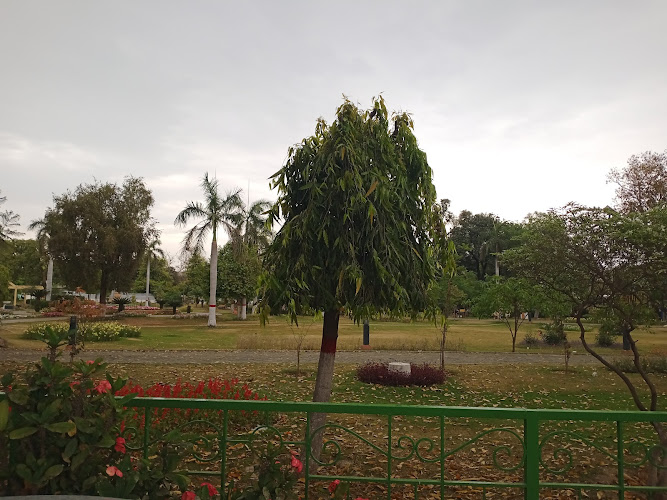
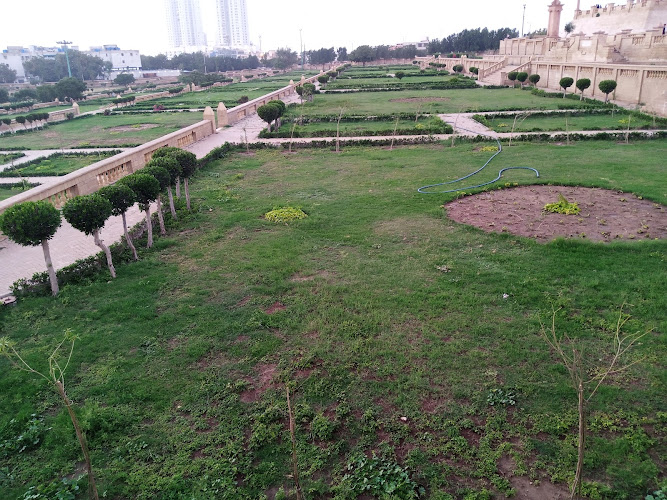
The mosque's proximity to Akram Park enhances its cultural and social significance. Akram Park, known for its green spaces and recreational facilities, provides a tranquil setting that complements the mosque's serene environment. The area around the mosque is characterized by a blend of residential and commercial spaces, reflecting the dynamic urban landscape of Lahore. The mosque's location along Band Road, a major thoroughfare, ensures its accessibility to a wide range of individuals, including residents, commuters, and visitors.
The Baghdadi Mohallah neighborhood, where the mosque is situated, is known for its rich cultural heritage and historical significance. The area has witnessed various historical events and has been home to diverse communities over the centuries. The mosque's presence in this neighborhood underscores its role in preserving and promoting the area's cultural and historical identity.
Visitor Information
Visitors to Jamia Masjid Gulzar e Baghdadi are welcomed to participate in daily prayers, educational programs, and community events. The mosque maintains a schedule of prayers, including Fajr, Dhuhr, Asr, Maghrib, and Isha, with additional congregational prayers on Fridays and during Ramadan. Educational programs are typically held after Fajr and Maghrib prayers, providing opportunities for both men and women to engage in learning.
The mosque is open to visitors of all backgrounds, promoting interfaith dialogue and cultural exchange. Visitors are encouraged to dress modestly and respectfully. While the mosque does not charge an entry fee, donations are accepted to support its maintenance and community programs.
Conclusion
Jamia Masjid Gulzar e Baghdadi stands as a testament to the enduring faith and cultural heritage of Lahore's Muslim community. Its architectural beauty, educational initiatives, and community engagement reflect the mosque's commitment to serving as a beacon of spirituality, knowledge, and social cohesion. As it continues to evolve and adapt to the needs of its community, the mosque remains a cherished institution, embodying the rich Islamic traditions and values that have shaped Lahore's history and identity.
Location