attractions
The Bab El-Okla Fountain
About this place
Discover The Bab El-Okla Fountain
Bab El-Okla Fountain
Bab El-Okla Fountain stands as a testament to Tétouan's rich history and cultural heritage. Located in the northeastern part of the city, this monumental gateway has been a focal point for centuries, symbolizing the city's connection to both its past and present.
Historical Background
Tétouan's history is deeply intertwined with the Andalusian culture of the Iberian Peninsula. After the Reconquista, many Muslims and Jews were expelled from Spain, leading to the resettlement of Andalusian refugees in Tétouan. This influx significantly influenced the city's architecture, urban planning, and cultural practices. Bab El-Okla, constructed in the mid-16th century, is one of the seven original gates of Tétouan, reflecting the city's strategic importance during this period. (loc.gov)
Architectural Features
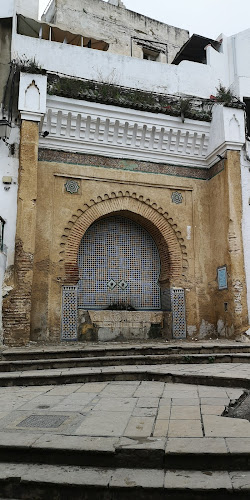
The gate is characterized by its distinctive Moorish architecture, featuring intricate brickwork and decorative elements that showcase the craftsmanship of the era. The fountain situated just inside the gate is adorned with typical Tetouani tiles, known for their vibrant colors and geometric patterns. 18th-century inscriptions on the fountain praise the city's ruler, Omar Luqash, highlighting the gate's historical significance and the city's appreciation for its leaders. (loc.gov)
Cultural Significance
Bab El-Okla has long been a vital entry point into the medina, facilitating trade and cultural exchange. Its strategic position and architectural grandeur make it a symbol of Tétouan's resilience and cultural fusion. The gate's historical role as the "gate of the sea" underscores its importance in connecting the city to the Mediterranean and beyond. (loc.gov)
UNESCO World Heritage Status
In 1997, the medina of Tétouan, including Bab El-Okla, was inscribed on the UNESCO World Heritage Sites list. This recognition acknowledges the exceptional preservation of the city's urban fabric and its representation of high Andalusian culture. The inclusion of Bab El-Okla in this designation highlights its importance as a cultural and historical landmark. (loc.gov)
Visitor Information
Today, Bab El-Okla continues to attract visitors from around the world. Its proximity to the bustling souks and historical sites makes it a must-visit location for those exploring Tétouan's rich heritage. The gate's well-preserved state offers a glimpse into the architectural and cultural practices of the 16th century, providing valuable insights into the city's past. Visitors are encouraged to explore the surrounding medina, where narrow alleys and traditional markets offer a vibrant atmosphere reflective of Tétouan's enduring legacy.
In summary, Bab El-Okla Fountain is more than just a historical monument; it is a living testament to Tétouan's rich cultural tapestry and its enduring connection to the broader Mediterranean world.
Location