mosque
BAITURRAHMAN MOSQUE (MASJID BAITURRAHMAN)
About this place
Discover BAITURRAHMAN MOSQUE (MASJID BAITURRAHMAN)
Baiturrahman Mosque, situated in the Klidon sub-village of Sukoharjo, Central Java, Indonesia, stands as a testament to the enduring spirit and unity of the local Muslim community. Since its establishment in 1978, the mosque has evolved into a central hub for religious worship, community engagement, and socio-economic development, reflecting the dynamic interplay between faith and community in the region.
Historical Background
The origins of Baiturrahman Mosque trace back to the late 20th century, a period marked by significant socio-political changes in Indonesia. In 1978, recognizing the need for a dedicated place of worship and community gathering, the local Muslim community in Klidon initiated the construction of the mosque. The establishment of Baiturrahman was not merely the creation of a physical structure but the manifestation of a collective desire to strengthen communal bonds and provide a spiritual sanctuary for the residents.
Architectural Design and Development
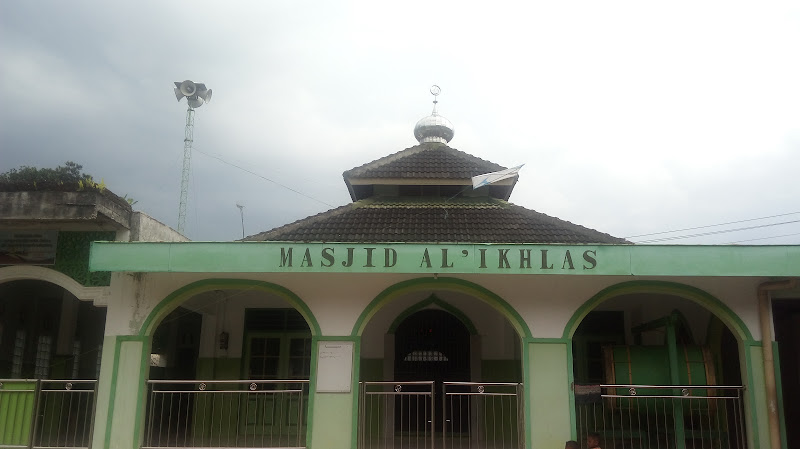
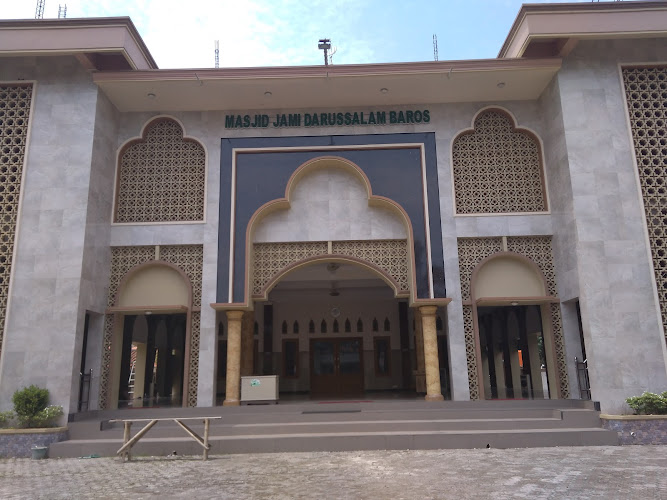
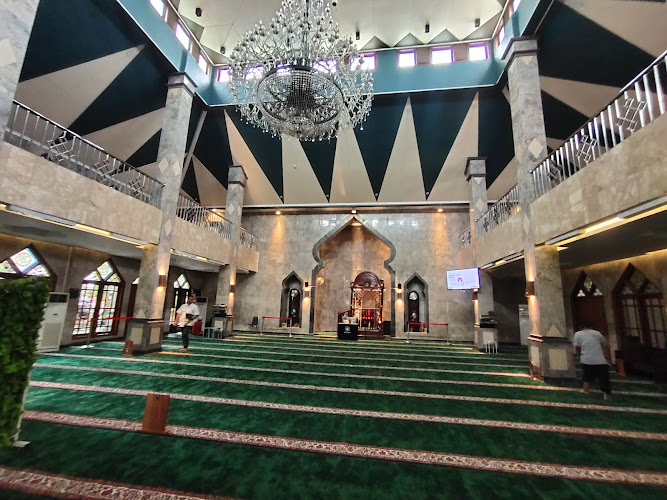
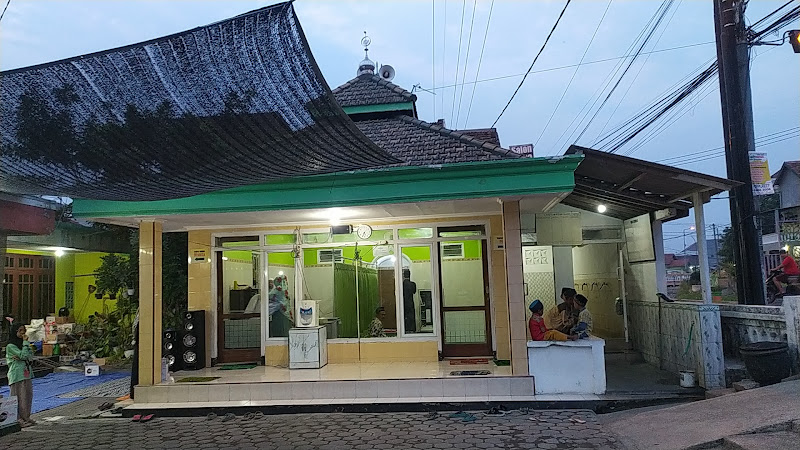
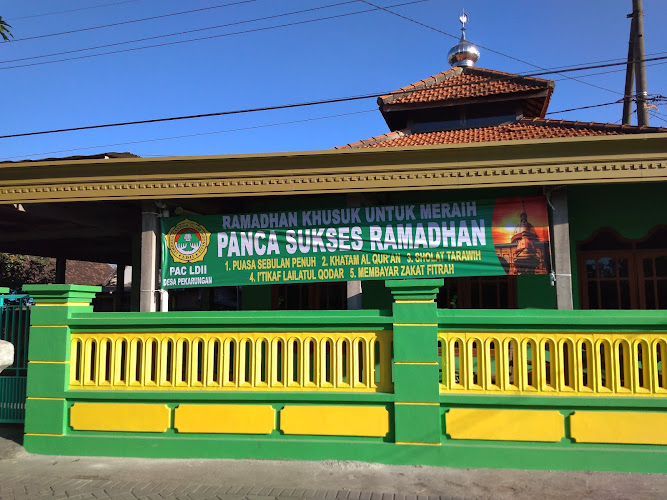
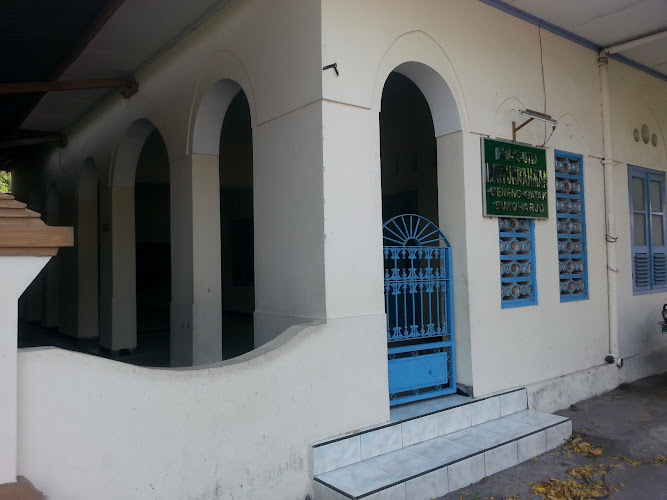
The architectural design of Baiturrahman Mosque reflects a harmonious blend of traditional Indonesian elements and modern architectural styles. The mosque's structure is characterized by its spacious prayer hall, which can accommodate a large congregation, and its distinctive minaret that rises prominently, symbolizing the Islamic faith's presence in the region. The use of local materials in construction not only ensures durability but also maintains a connection to the cultural heritage of the area.
Over the years, the mosque has undergone several renovations and expansions to meet the growing needs of its congregation. These developments have included the addition of educational facilities, community halls, and improved amenities, transforming the mosque into a multifaceted center that serves both spiritual and social functions. The architectural evolution of Baiturrahman Mosque mirrors the community's aspirations and its commitment to progress while honoring its roots.
Community Engagement and Empowerment
A pivotal aspect of Baiturrahman Mosque's role in the Klidon sub-village is its active engagement in community development. In 2007, the mosque established Posdaya (Integrated Community Empowerment Post), a program aimed at enhancing the welfare of the local population through various initiatives. This program focuses on multiple sectors, including health, education, environment, and economic empowerment, addressing the diverse needs of the community.
The health sector initiatives have included organizing free medical check-ups, health education seminars, and providing access to essential healthcare services for the underprivileged. In education, the mosque has facilitated Quranic studies, literacy programs, and scholarship opportunities, ensuring that children and adults alike have access to quality education. Environmental programs have focused on promoting sustainable practices, waste management, and creating green spaces within the community. Economic empowerment efforts have involved establishing cooperatives, vocational training, and small business support, enabling residents to achieve financial independence and improve their livelihoods.
Through these comprehensive programs, Baiturrahman Mosque has significantly contributed to the socio-economic development of the Klidon sub-village. The mosque's initiatives have led to improved health outcomes, higher literacy rates, environmental sustainability, and economic stability among the residents. This holistic approach to community development underscores the mosque's commitment to addressing the multifaceted challenges faced by the local population.
Cultural and Social Significance
Beyond its role as a place of worship, Baiturrahman Mosque serves as a cultural and social epicenter for the Klidon sub-village. It hosts various cultural events, religious celebrations, and social gatherings that foster a sense of unity and belonging among the residents. The mosque's open-door policy ensures that individuals from all walks of life feel welcome, promoting inclusivity and social cohesion.
The mosque's leadership has been instrumental in promoting interfaith dialogue and understanding, organizing events that encourage mutual respect and collaboration among different religious communities. This commitment to interfaith harmony reflects the mosque's broader vision of fostering a peaceful and inclusive society.
Challenges and Resilience
Like many religious institutions, Baiturrahman Mosque has faced challenges, including financial constraints, the need for continuous maintenance, and the task of adapting to the evolving needs of a growing community. However, the mosque's resilience is evident in its ability to overcome these obstacles through community support, effective management, and a steadfast commitment to its mission. The mosque's leadership has demonstrated adaptability and innovation, ensuring that it remains a relevant and vital institution in the lives of the residents.
Visitor Information
Visitors to Baiturrahman Mosque are welcomed with open arms and are encouraged to participate in the mosque's various programs and activities. The mosque offers guided tours that provide insights into its history, architecture, and the community initiatives it supports
Location