Historical landmark
Kelodan Palace, Klungkung (Puri Kelodan Klungkung)
About this place
Discover Kelodan Palace, Klungkung (Puri Kelodan Klungkung)
Kelodan Palace
Kelodan Palace, officially known as Puri Agung Semarapura, stands as a testament to Bali's rich history and cultural heritage. Located in Semarapura, the capital of Klungkung Regency, this historic site offers a window into the grandeur of the Klungkung Kingdom, the most influential of Bali's nine kingdoms during the late 17th and early 18th centuries.
Historical Background
The origins of the Klungkung Kingdom trace back to the 15th century, with the Gelgel Kingdom serving as its predecessor. The Babad Dalem, a Balinese chronicle, records the kings' dynasty by the name of Kapaisan, a genealogy that is traced back to the Javanese kingdom of Majapahit (1293-16th century). In 1686, Dewa Agung Jambe I, a prince descended from the ancient raja of Gelgel, moved to Klungkung (also known as Semarapura) and constructed a new puri (palace). Although he did not possess the prerogatives of his ancestors from Gelgel, the new palace maintained a degree of prestige and precedence in a politically fragmented Bali. (en.wikipedia.org)
Under the rule of Dewa Agung Jambe I, the Klungkung Kingdom flourished, becoming a center of art, culture, and politics. The palace complex was designed to reflect the kingdom's power and sophistication, incorporating elements of traditional Balinese architecture and Javanese influences. The layout of the palace was meticulously planned, with each structure serving a specific function, from administrative duties to religious ceremonies.
Architectural Features
The palace was originally constructed in a square form, approximately 150 meters on each side, with the main gate situated to the north. It was divided into several blocks, each designated for various ritual and practical functions. The complex's design was deeply symbolic, adhering to a fixed structural pattern that mirrored the cosmic order and the hierarchical nature of Balinese society. (en.wikipedia.org)
One of the most significant structures within the palace complex is the Kertha Gosa Pavilion, also known as the Hall of Justice. Built in the 18th century, this pavilion served as the royal court where legal matters were adjudicated. The ceiling of the Kertha Gosa is adorned with intricate paintings depicting scenes from the Bhagavata Purana, an ancient Hindu text. These artworks are rendered in the traditional Kamasan (Wayang) style, showcasing the artistic prowess of Balinese painters. The paintings illustrate narratives of the afterlife, karma, and moral conduct, offering visitors a glimpse into Balinese cosmology and artistic expression. (en.wikipedia.org)
Adjacent to the Kertha Gosa is the Bale Kambang, a floating pavilion situated in the center of a lotus-filled moat. This structure exemplifies the Balinese architectural principle of harmony with nature, creating a serene and contemplative environment. The pavilion's open design allows for unobstructed views of the surrounding landscape, enhancing its ethereal ambiance. The Bale Kambang's unique design and tranquil setting make it a focal point for visitors seeking to experience the spiritual and aesthetic essence of Balinese architecture. (introducingbali.com)
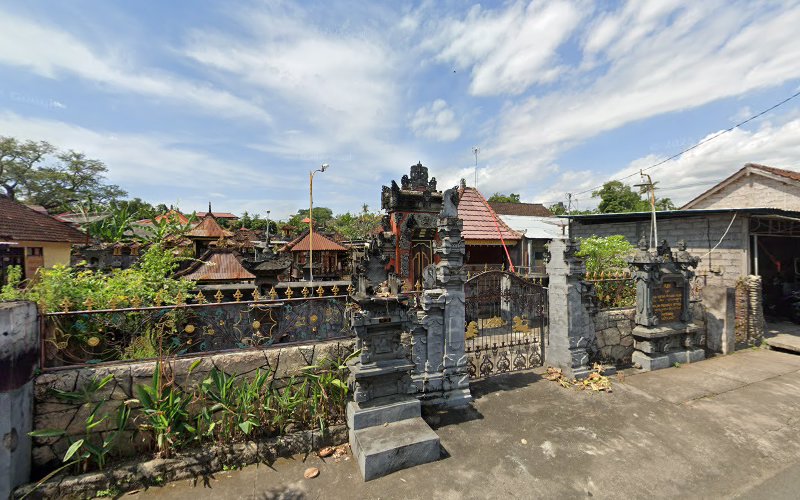
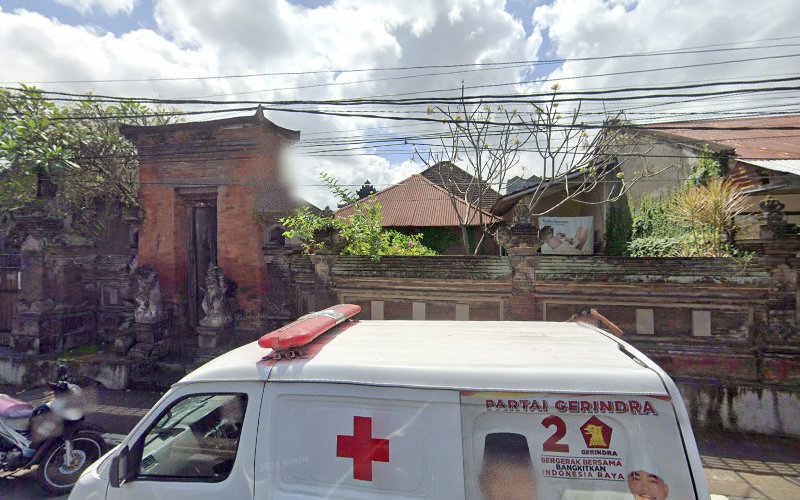
The main gate
Location