Hindu temple
Tejaji Mandir Narsinghpura
About this place
Discover Tejaji Mandir Narsinghpura
Tejaji Mandir in Narsinghpura, Rajasthan, stands as a significant religious and cultural landmark dedicated to Veer Teja, a revered folk hero and deity in the region. This comprehensive exploration delves into the temple's historical origins, architectural features, cultural significance, and the role it plays in the community.
Historical Background
Veer Teja, born on January 29, 1074 CE, in Kharnal, Nagaur, Rajasthan, is a legendary figure celebrated for his valor, social reforms, and protection of cattle. He is considered an incarnation of Lord Shiva and is worshipped across Rajasthan and neighboring states. (everything.explained.today)
The temple in Narsinghpura is dedicated to Veer Teja, reflecting the deep-rooted veneration for this folk hero. While specific historical records about the temple's establishment are limited, it is believed to have been constructed several centuries ago, serving as a focal point for devotees in the region.
Architectural Features
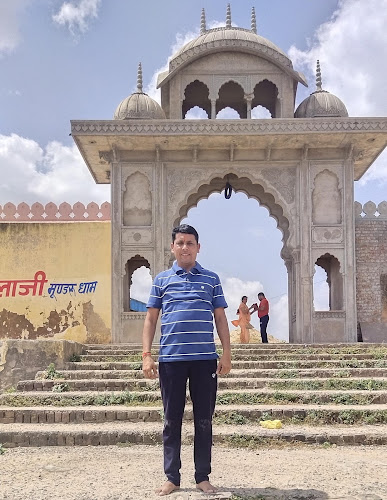
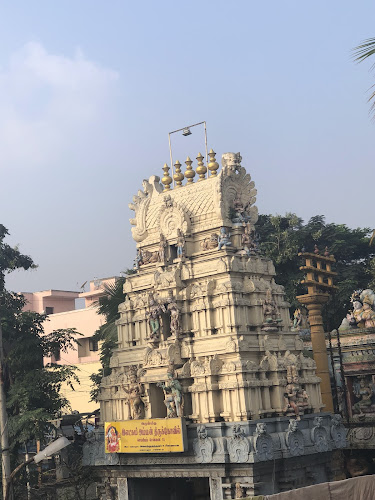
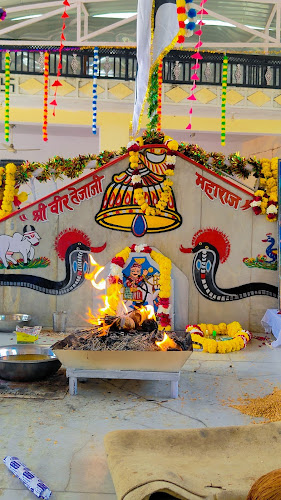
The temple's architecture is a testament to the rich cultural heritage of Rajasthan. It features traditional Rajasthani temple design elements, including intricate carvings, ornate pillars, and a central sanctum housing the idol of Veer Teja. The temple's design not only serves as a place of worship but also as a cultural landmark, attracting devotees and tourists alike.
Cultural Significance
Beyond its religious importance, Tejaji Mandir plays a pivotal role in preserving and promoting the cultural traditions of Rajasthan. The temple's festivals, rituals, and community events offer insights into the local customs and practices, providing visitors with a deeper understanding of the region's heritage.
Visitor Information
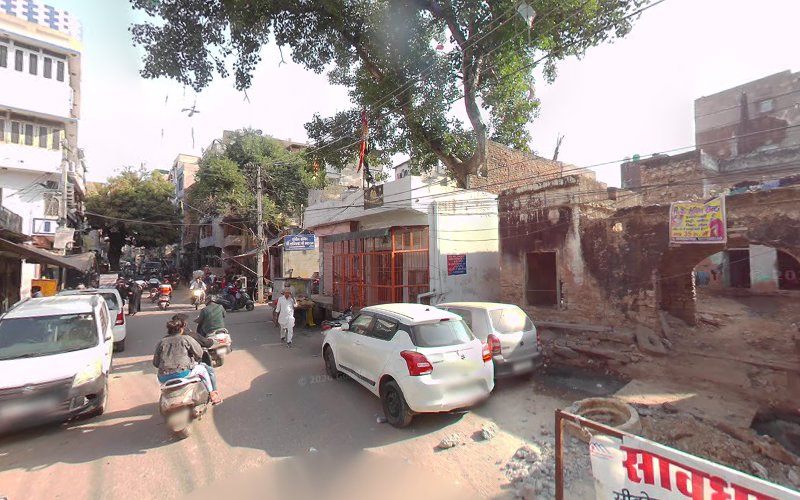
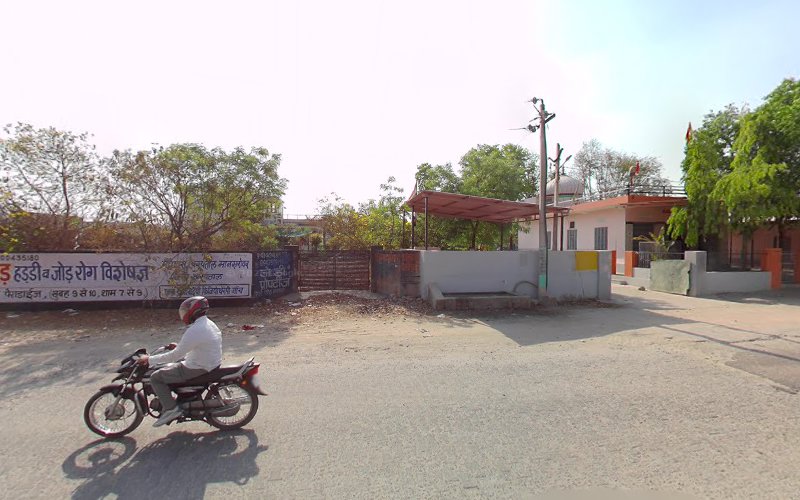
The temple is situated in Narsinghpura, a village in Rajasthan. The exact address is VM77+3CH, Narsinghpura, Rajasthan 302026. Visitors can reach the temple by local transportation options available in the region. The temple is open to devotees and tourists throughout the week, with special events and festivals drawing larger crowds during specific times of the year.
Festivals and Events
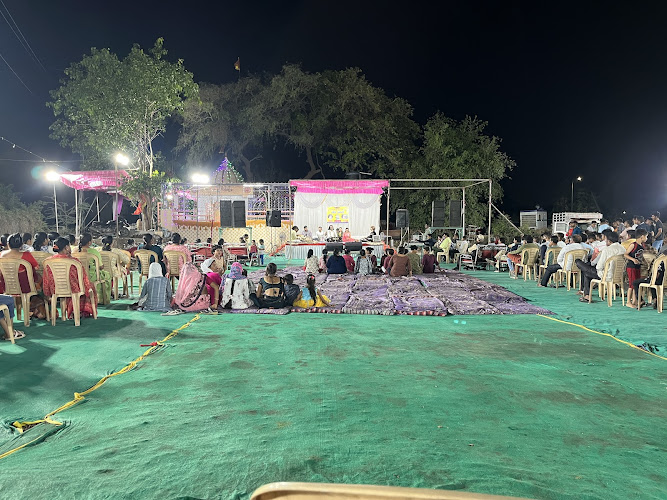
Tejaji Mandir hosts several festivals and events throughout the year, with the most prominent being Teja Dashmi, the birth anniversary of Veer Teja. During this festival, the temple is adorned with decorations, and special prayers and rituals are conducted. Devotees from various regions gather to participate in the celebrations, which include processions, cultural performances, and community feasts.
Community Engagement
The temple serves as a hub for community engagement, fostering a sense of unity among the villagers and visitors. It organizes various social and cultural activities, including educational programs, health camps, and workshops on traditional arts and crafts. These initiatives aim to preserve the cultural heritage of Rajasthan and promote social welfare within the community.
Preservation of Traditions
Tejaji Mandir plays a crucial role in preserving the traditional practices and rituals associated with Veer Teja worship. The temple's priests and caretakers are dedicated to maintaining the sanctity of the rituals, ensuring that they are passed down through generations. This commitment to tradition helps in keeping the cultural practices alive and relevant in the modern era.
Architectural Details
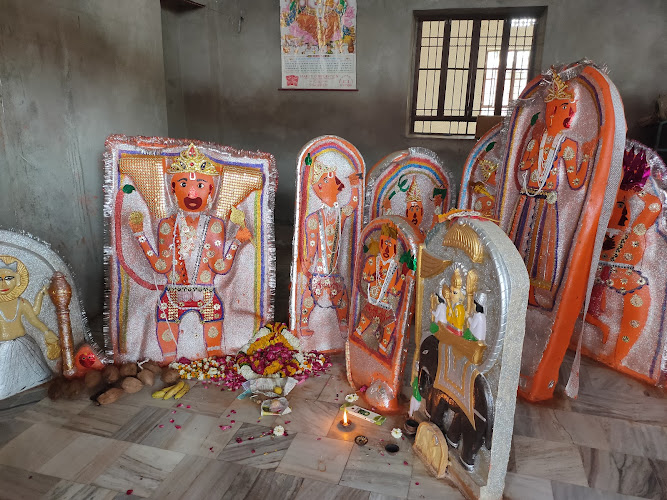
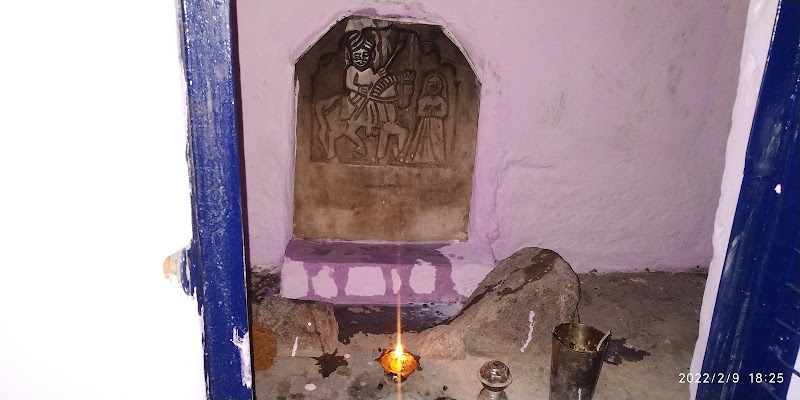
The temple's architecture reflects the traditional Rajasthani style, characterized by ornate carvings, intricate woodwork, and decorative elements that depict scenes from the life of Veer Teja. The central sanctum houses a beautifully crafted idol of Veer Teja, which is the focal point of worship and attracts devotees seeking blessings.
Role in Tourism
As a cultural and religious landmark, Tejaji Mandir contributes to the tourism landscape of Rajasthan. It attracts visitors interested in exploring the state's rich heritage, offering them a glimpse into the traditional architectural styles and cultural practices. The temple's serene environment provides a peaceful retreat for those looking to experience the spiritual ambiance of rural Rajasthan.
Conservation Efforts
Efforts are being made to preserve the temple's architectural integrity and cultural significance. Renovation projects aim to restore and maintain the temple's structures, ensuring that they withstand the test of time and continue to serve as a beacon of cultural pride for future generations.
Conclusion
Tejaji Mandir in Narsinghpura, Rajasthan, is more than just a place of worship; it is a symbol of the region's rich cultural heritage and a testament
Location