About this place
Discover Hanuman Mandir
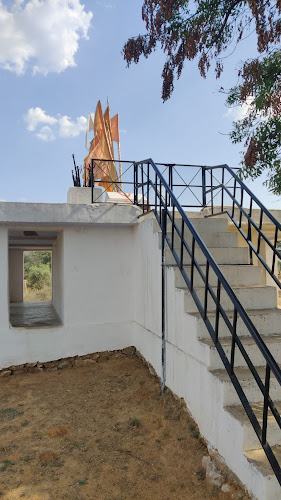
Hanuman Mandir in Bagwara, Rajasthan, stands as a testament to the rich spiritual and cultural heritage of the region. Dedicated to Lord Hanuman, the deity revered for his unwavering devotion and immense strength, the temple serves as a focal point for the local community's religious practices and cultural identity.
Historical Background
The exact origins of Hanuman Mandir in Bagwara are not well-documented, which is common for many rural temples in India. Such temples often evolve organically over time, with their histories intertwined with local legends and oral traditions. The establishment of the temple likely dates back several centuries, coinciding with the spread of Hanuman worship across Rajasthan.
Lord Hanuman, a central figure in Hindu mythology, is celebrated for his role in the epic Ramayana, where he is depicted as a devoted servant of Lord Rama. His temples, like the one in Bagwara, are places where devotees gather to seek blessings for strength, courage, and devotion.
Architectural Features
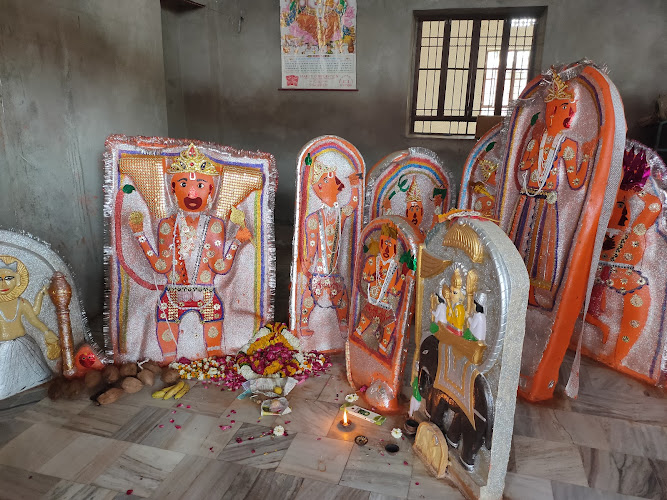
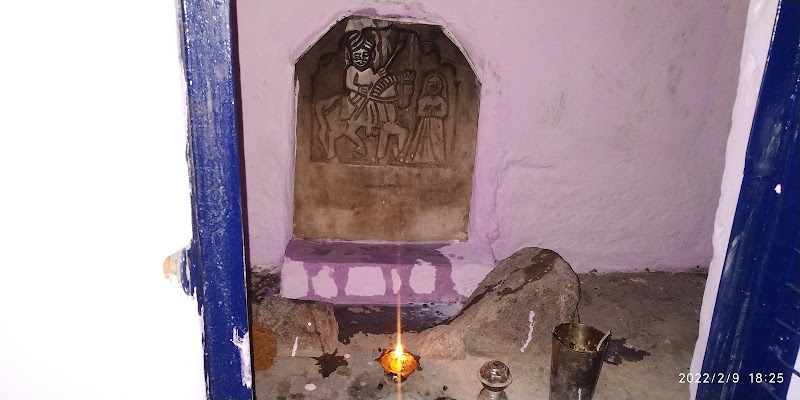
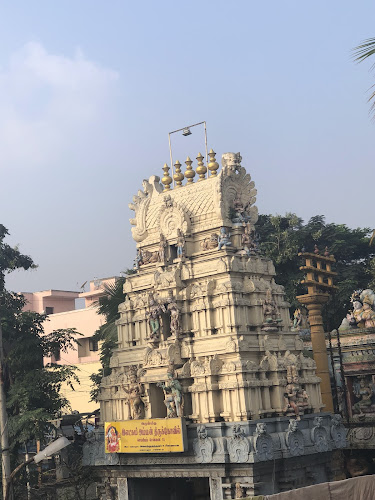
The temple's architecture embodies traditional Hindu temple design, characterized by intricate carvings and sculptures that depict various deities and mythological scenes. The sanctum sanctorum, or garbhagriha, houses the idol of Lord Hanuman, which is the focal point of worship. The idol is typically adorned with offerings such as flowers, garlands, and sweets, reflecting the devotees' reverence and love.
The temple's exterior is often decorated with murals and sculptures that narrate stories from Hindu scriptures, providing visitors with a visual journey through mythology. The use of local materials in construction not only adds to the aesthetic appeal but also ensures the temple's harmony with the surrounding environment.
Cultural Significance
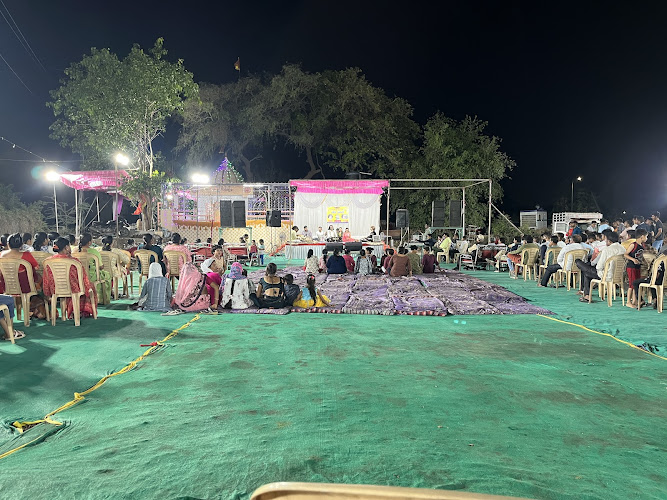
Hanuman Mandir plays a pivotal role in the cultural and social life of Bagwara and its neighboring villages. It serves as a center for community gatherings, religious ceremonies, and cultural events. The temple's festivals, especially those dedicated to Lord Hanuman, are marked by fervent devotion, music, dance, and communal meals, fostering a sense of unity and shared identity among the villagers.
The temple also acts as a custodian of local traditions and customs, preserving rituals that have been passed down through generations. These practices not only strengthen community bonds but also provide a sense of continuity and connection to the past.
Festivals and Events
Major Hindu festivals such as Hanuman Jayanti, Ram Navami, and Diwali are celebrated with great enthusiasm at the temple. During these times, the temple is adorned with lights and flowers, and special prayers and rituals are conducted. Devotees from surrounding areas visit to participate in the festivities, making it a vibrant and joyous occasion.
The temple also observes weekly and monthly rituals, including recitations of sacred texts, devotional singing, and community prayers. These events provide opportunities for spiritual growth and communal harmony.
Visitor Information
Hanuman Mandir is open to devotees throughout the week, with special events during major Hindu festivals. The temple is accessible via well-maintained roads from nearby towns such as Jhalawar and Jhalrapatan. Local transportation options, including buses and taxis, are available for visitors traveling from these towns.
For those interested in exploring the cultural heritage of Rajasthan, a visit to Hanuman Mandir offers a glimpse into the region's rich traditions and spiritual practices. The serene environment and the temple's architectural beauty make it a worthwhile destination for both spiritual seekers and tourists.
Local Community and Economy
The presence of Hanuman Mandir has a significant impact on the local economy. The temple attracts devotees and tourists, leading to increased demand for local goods and services. Small businesses, including shops selling religious artifacts, local handicrafts, and food stalls, thrive due to the influx of visitors.
The temple also provides employment opportunities for the local population, including priests, caretakers, and artisans involved in the maintenance and decoration of the temple. This economic activity contributes to the overall development and prosperity of Bagwara and its surrounding areas.
Conservation Efforts
Preserving the temple's architectural integrity and cultural significance is a priority for the local community. Efforts are made to maintain the temple's structure, repair any damage, and ensure that it remains a safe and welcoming place for devotees. Community members actively participate in these conservation activities, reflecting their deep connection to the temple and its heritage.
In recent years, there has been a growing awareness about the importance of preserving such cultural landmarks. Initiatives to document the temple's history, conduct archaeological studies, and promote sustainable tourism are being explored to ensure that Hanuman Mandir continues to be a beacon of faith and culture for future generations.
Conclusion
Hanuman Mandir in Bagwara, Rajasthan,
Location