Hindu temple
Surekhadevi Temple (सुरेखादेवी मंदिर)
About this place
Discover Surekhadevi Temple (सुरेखादेवी मंदिर)
Situated in the picturesque village of Tarangwadi, Maharashtra, the Surekhadevi Temple stands as a testament to the rich cultural and architectural heritage of the region. Dedicated to Goddess Surekha, a revered form of Shakti, the temple attracts devotees and history enthusiasts alike.
Historical Significance
The origins of the Surekhadevi Temple are steeped in local legends and historical narratives. While specific historical records are scarce, the temple's architecture and the deity's prominence suggest its establishment during the medieval period, possibly between the 12th and 14th centuries. This era witnessed the proliferation of Shakti temples across Maharashtra, reflecting the region's deep-rooted devotion to the goddess.
Architectural Marvel
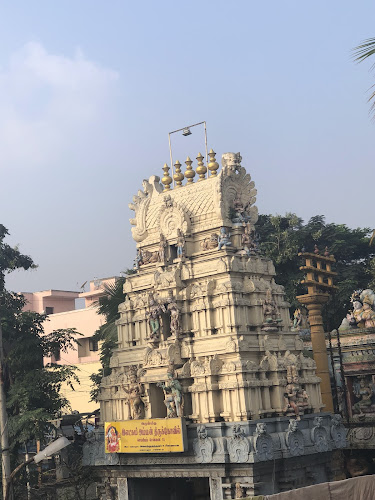
The temple is an exemplary representation of the Hemadpanthi architectural style, renowned for its use of locally sourced stone and intricate carvings. The structure is primarily built using black basalt stone, which imparts a timeless elegance to the edifice. The temple's sanctum sanctorum houses a black stone idol of Goddess Surekha, meticulously crafted with detailed jewelry and a silver crown, symbolizing the goddess's divine attributes.
The temple's exterior is adorned with carvings depicting various deities, mythological scenes, and geometric patterns, showcasing the artisans' skill and devotion. The entrance features a grand torana (gateway arch) with motifs of elephants and lions, symbolizing strength and protection. The temple's shikhara (spire) is designed in a stepped pyramid style, culminating in a kalasha (sacred water pot), a common feature in Hindu temple architecture.
Cultural and Religious Importance
Goddess Surekha, the presiding deity, is venerated as a form of Shakti, embodying power, protection, and fertility. Local folklore narrates that the goddess once appeared in the form of a radiant light to protect the villagers from a severe drought, leading to the establishment of the temple in her honor. Over the centuries, the temple has become a focal point for the community, serving as a place of worship, social gatherings, and cultural events.
Festivals and Rituals
The temple observes several festivals with great fervor, the most prominent being Navratri, a nine-night festival dedicated to the worship of Goddess Durga. During this period, the temple is illuminated with thousands of oil lamps, and special rituals are performed, including the recitation of the Devi Mahatmya, a sacred text narrating the goddess's exploits. Devotees from neighboring villages participate in processions, traditional dances, and cultural performances, creating a vibrant atmosphere.
Another significant event is the annual Jatra (fair), held on the full moon night of the Hindu month of Ashvin (September-October). The fair features stalls selling religious artifacts, local handicrafts, and traditional foods. Cultural programs, including folk music and dance, are organized, reflecting the region's rich cultural heritage.
Visitor Information
The Surekhadevi Temple is accessible via well-maintained roads from major cities like Pune and Mumbai. The nearest railway station is Satara, approximately 30 kilometers away, and the nearest airport is Pune International Airport, about 150 kilometers from the temple. Local accommodations range from guesthouses to budget hotels, providing a comfortable stay for pilgrims and tourists.
The temple is open to visitors throughout the week, with morning and evening aartis (rituals) conducted daily. The serene environment and the temple's spiritual ambiance make it an ideal destination for those seeking solace and a deeper connection with their faith.
Conservation Efforts
Recognizing the temple's historical and architectural significance, local authorities and heritage conservationists have undertaken efforts to preserve and maintain the structure. Restoration work focuses on repairing weathered carvings, reinforcing the foundation, and ensuring the structural integrity of the temple. Community involvement plays a crucial role in these conservation initiatives, reflecting the collective responsibility towards preserving cultural heritage.
Conclusion
The Surekhadevi Temple in Tarangwadi stands as a beacon of Maharashtra's rich cultural and spiritual heritage. Its historical significance, architectural beauty, and cultural importance make it a must-visit destination for devotees and history enthusiasts alike. The temple not only serves as a place of worship but also as a symbol of the community's enduring faith and devotion.
Location