Hindu temple
Sai Temple (Sai Mandir)
About this place
Discover Sai Temple (Sai Mandir)
The Sai Temple in Jogeshwari East, Mumbai, stands as a testament to the enduring legacy of Sai Baba of Shirdi, a revered 19th-century saint whose teachings transcend religious boundaries and continue to inspire millions worldwide. This temple, nestled in the bustling city of Mumbai, serves as a sanctuary for devotees seeking spiritual solace, guidance, and a deeper connection with the divine.
Historical Background
Sai Baba of Shirdi, whose exact origins remain a mystery, first appeared in the village of Shirdi in the mid-1800s. He lived there for over six decades, imparting teachings that emphasized the unity of all religions, the importance of selfless service, and the power of faith and patience. His life and miracles attracted a diverse following, and after his passing in 1918, his devotees sought to honor his memory by establishing temples dedicated to him across India and abroad.
The Sai Temple in Jogeshwari East was established in the early 20th century, following the footsteps of the original Shirdi temple. It was built by a group of devoted followers who wished to bring Sai Baba's presence closer to the urban populace of Mumbai. Over the years, the temple has undergone several renovations and expansions to accommodate the growing number of devotees and to enhance its facilities.
Architectural Features
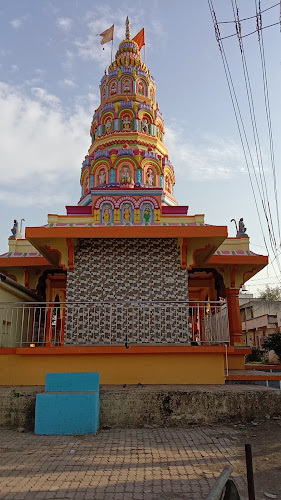
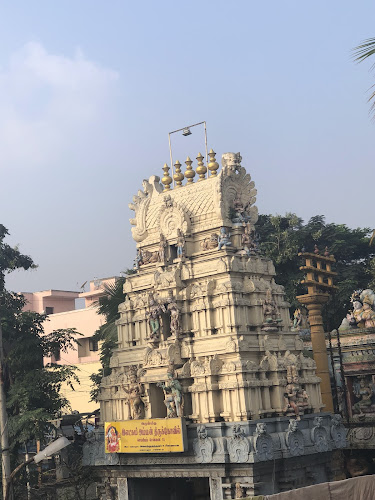
The temple's architecture is a harmonious blend of traditional Hindu design and modern elements, creating an inviting and serene atmosphere. The central sanctum, or Garbhagriha, houses a marble idol of Sai Baba, depicted in a meditative posture, exuding a sense of tranquility and compassion. The idol is adorned with offerings, including fresh flowers, garlands, and traditional attire, reflecting the deep reverence of the devotees.
Surrounding the sanctum are intricately carved wooden pillars and beams, showcasing the craftsmanship of local artisans. The walls are adorned with murals and paintings depicting various episodes from Sai Baba's life, such as his miracles, teachings, and interactions with devotees. These artworks serve as a visual narrative, educating visitors about the saint's life and philosophy.
The temple premises are landscaped with lush greenery, including neem and banyan trees, which are considered sacred in Hindu tradition. The serene environment provides an ideal setting for meditation, prayer, and reflection, allowing devotees to experience a sense of peace amidst the urban hustle.
Religious Practices and Festivals
Devotees visit the temple throughout the week, seeking blessings, offering prayers, and participating in various religious ceremonies. The temple conducts daily rituals, including morning and evening aartis (devotional songs), recitation of Sai Baba's teachings, and distribution of prasad (sacred offerings). These practices foster a sense of community and spiritual connection among the attendees.
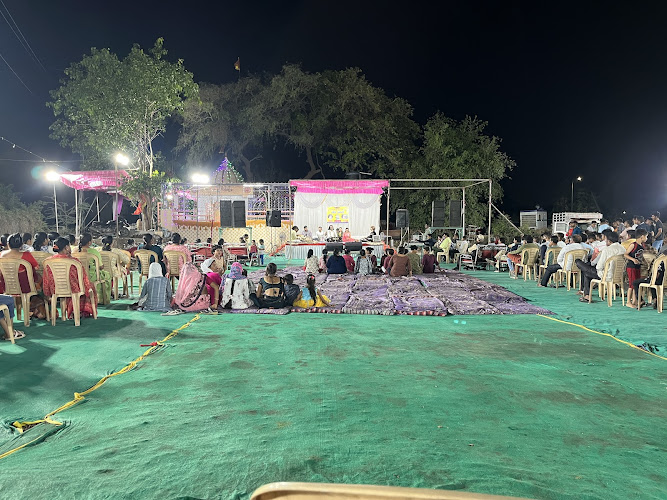
Significant festivals such as Ram Navami, Dussehra, and Guru Purnima are celebrated with great fervor. During these occasions, the temple is elaborately decorated, special prayers and processions are organized, and cultural programs are held, attracting large gatherings of devotees from various parts of Mumbai and beyond. The festivals serve as a reminder of Sai Baba's teachings and provide an opportunity for devotees to renew their faith and commitment to his path.
Cultural and Social Impact
The Sai Temple in Jogeshwari East plays a pivotal role in the cultural and social fabric of the community. It serves as a center for spiritual learning, where individuals of all ages and backgrounds come together to learn about Sai Baba's teachings, engage in community service, and participate in charitable activities. The temple organizes educational programs, health camps, and social welfare initiatives, embodying the principles of selfless service and compassion that Sai Baba espoused.
The temple also acts as a cultural hub, hosting events that promote traditional music, dance, and art forms. These events provide a platform for local artists to showcase their talents and for the community to engage in cultural exchange, fostering a sense of unity and shared heritage.
Visitor Information
The Sai Temple in Jogeshwari East is open to visitors throughout the week, with specific timings for darshan (viewing of the deity) and participation in rituals. Devotees are encouraged to dress modestly and maintain decorum within the temple premises. The temple provides facilities such as a free meal (prasad) for devotees, ensuring that no one leaves hungry.
For those traveling from other parts of Mumbai, the temple is accessible via local trains, buses, and taxis. The nearest railway station is Jogeshwari, which is well-connected to various parts of the city. Adequate parking facilities are available for those arriving by private vehicles.
In conclusion, the Sai Temple in Jogeshwari East stands as a beacon of spiritual light, guiding individuals on their path to self-realization and inner peace. It embodies the teachings of Sai Baba, promoting love, faith, patience, and selfless service. The temple's rich history, architectural beauty, and cultural significance make it a cherished landmark in Mumbai, offering a sanctuary
Location