Hindu temple
Ganesh Temple (Ganesh mandir)
About this place
Discover Ganesh Temple (Ganesh mandir)
Ganesh Temple
The Ganesh Temple in Mumbai stands as a beacon of devotion, history, and architectural brilliance. Dedicated to Lord Ganesha, the deity revered as the remover of obstacles and the god of beginnings, this temple holds a special place in the hearts of millions. Its rich history, architectural splendor, cultural significance, and the experiences it offers to visitors make it a must-visit landmark in Mumbai.
Historical Background
The origins of the Ganesh Temple trace back to 1801, a period when Mumbai was undergoing significant transformations. On November 19th of that year, the temple was consecrated, marking the beginning of its journey as a sacred space. The early 19th century was a time of cultural and social evolution in Mumbai, and the establishment of this temple mirrored the city's growing devotion and the need for spiritual sanctuaries.
Over the decades, the temple witnessed the ebb and flow of history. From the colonial era to India's struggle for independence, the temple stood as a silent witness to the changing tides. Its resilience and unwavering presence provided solace and a sense of continuity to the people of Mumbai. The temple's history is not just a chronicle of events but a reflection of the city's spirit and its people's enduring faith.
Architectural Features
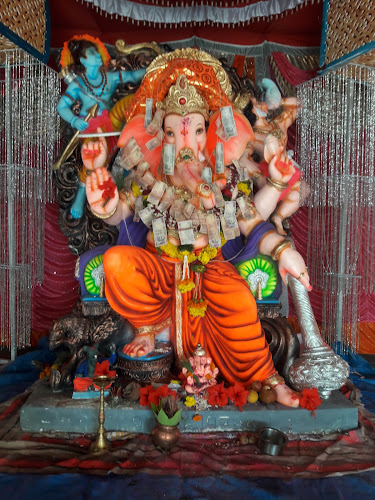
The architectural design of the Ganesh Temple is a harmonious blend of traditional Indian temple architecture and modern elements. The sanctum sanctorum, the innermost chamber of the temple, houses the idol of Lord Ganesha. This idol is carved from black stone and stands as a testament to the craftsmanship of the artisans. What sets this idol apart is its right-tilted trunk, a feature that is rare among Ganesha idols. This unique characteristic is believed to symbolize the deity's ability to overcome obstacles and bring prosperity.
The idol is depicted with four hands, each holding significant items:
- Lotus (Padma): Symbolizing purity and enlightenment.
- Axe (Hatchet): Representing the cutting of ties to materialism.
- Holy Beads (Japmala): Denoting spiritual knowledge and the pursuit of wisdom.
- Bowl of Modaks: A sweet delicacy favored by Lord Ganesha, symbolizing the sweetness of life and the rewards of spiritual pursuits.
Flanking the central idol are the goddesses Riddhi and Siddhi. Riddhi represents prosperity and material wealth, while Siddhi signifies spiritual attainment and success. Their presence alongside Lord Ganesha underscores the holistic approach to well-being—both material and spiritual—that the temple embodies.
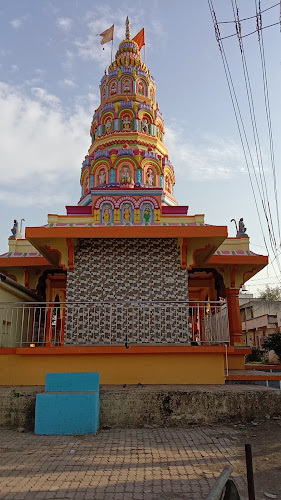
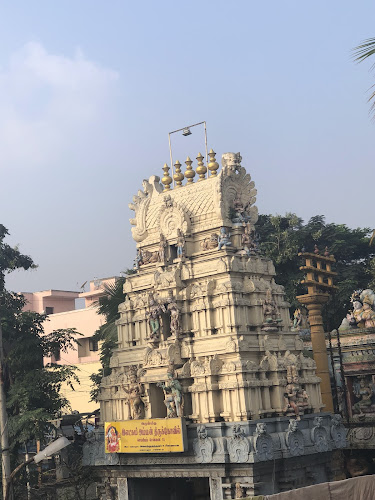
The temple's architecture is further accentuated by its roof, which is plated with gold. This golden dome not only adds to the temple's aesthetic appeal but also symbolizes the divine presence and the sanctity of the space. The intricate carvings and sculptures adorning the temple walls depict various mythological stories and scenes, providing visitors with a visual narrative of Hindu mythology and the legends associated with Lord Ganesha.
Cultural Significance
Beyond its architectural grandeur, the Ganesh Temple holds immense cultural and social significance. It serves as a focal point during the annual Ganesh Chaturthi festival, a celebration that marks the birth of Lord Ganesha. This festival, which typically falls in August or September, transforms Mumbai into a vibrant tapestry of colors, music, and devotion.
During Ganesh Chaturthi, the temple becomes a hub of activity. Devotees from all walks of life gather to offer prayers, seek blessings, and participate in the various rituals and ceremonies. The temple's significance during this period is unparalleled, as it attracts thousands of visitors, both local and international. The festivities are marked by processions, cultural performances
Location