About this place
Discover Channa keshava
Channa Keshava
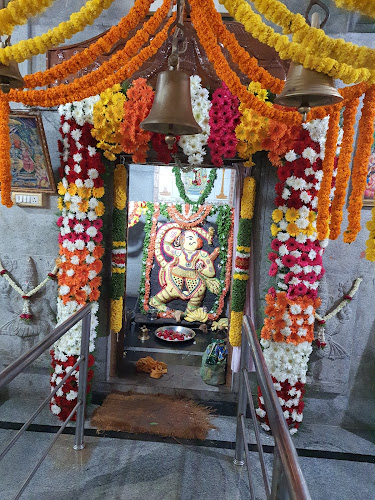
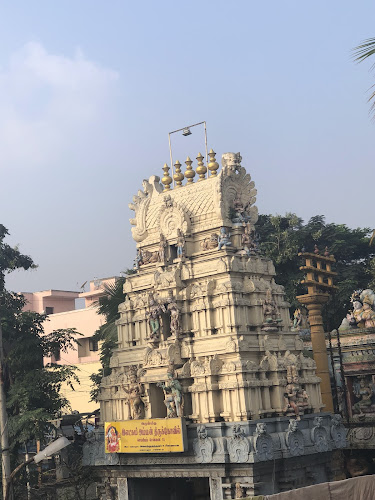
The Channa Keshava Temple in Hebbalalu, Karnataka, stands as a testament to the artistic and architectural brilliance of the Hoysala dynasty. Constructed in the 13th century, this temple is dedicated to Lord Keshava, an incarnation of the Hindu god Vishnu, and serves as a significant example of Hoysala architecture.
Historical Background
The Hoysala dynasty, which ruled over present-day Karnataka from the 10th to the 14th centuries, was known for its contributions to art, culture, and architecture. The Channa Keshava Temple was built during this period, reflecting the dynasty's devotion to Lord Vishnu and their commitment to creating enduring monuments. The exact date of construction is not definitively recorded, but it is believed to have been completed in the 13th century, aligning with the peak of Hoysala architectural achievements.
Architectural Significance
The temple's design exemplifies the Hoysala style, characterized by a stellate (star-shaped) platform that enhances the structural stability and aesthetic appeal of the building. Constructed using soapstone, the temple's walls and pillars are adorned with intricate carvings and sculptures, showcasing the artisans' skill and attention to detail. The temple's plan includes a sanctum (garbhagriha), a closed hall (mantapa), and a vestibule (sukhanasi), all connected in a linear sequence. The vestibule's tower, known as the sukhanasi, is a distinctive feature, often referred to as the "nose" of the main tower, adding to the temple's unique architectural profile.
Artistic Features
The temple's walls are adorned with detailed sculptures depicting scenes from Hindu epics such as the Ramayana and Mahabharata. These carvings provide insight into the social and cultural life of the 13th century, illustrating dancers, musicians, and various deities. The temple also features a series of friezes and reliefs that narrate stories from Hindu mythology, reflecting the artistic prowess of the era.
Cultural and Religious Significance
Dedicated to Lord Keshava, the temple serves as a place of worship and pilgrimage for devotees of Lord Vishnu. Its architectural and artistic elements reflect the religious and cultural values of the Hoysala period, emphasizing devotion, artistry, and community. The temple's design and decorations also illustrate the syncretic nature of Indian religious art, incorporating elements from various traditions and philosophies.
Visitor Information
Hebbalalu is situated in the Tumkur district of Karnataka, approximately 80 kilometers from Bangalore. The temple is accessible via the Tumkur-Bangalore road, making it a convenient destination for those interested in exploring Karnataka's rich cultural heritage. Visitors can admire the temple's architectural features, study its sculptures, and experience the serene environment that surrounds the temple. While the temple is not as widely known as some other Hoysala temples, it offers a unique glimpse into the dynasty's architectural and artistic achievements.
In conclusion, the Channa Keshava Temple in Hebbalalu is a remarkable monument that encapsulates the artistic and architectural excellence of the Hoysala dynasty. Its intricate carvings, unique design, and historical significance make it a valuable site for scholars, devotees, and tourists alike, offering insights into the rich cultural tapestry of 13th-century Karnataka.
Location