Mosque
Muhammadi Mosque (Muhammadi Masjid)
About this place
Discover Muhammadi Mosque (Muhammadi Masjid)
Muhammadi Mosque
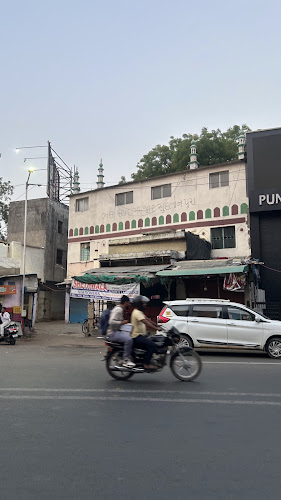
The Muhammadi Mosque, situated in Amroli, a suburb of Surat in Gujarat, India, stands as a significant testament to the region's rich Islamic heritage and architectural evolution. Surat, with a history spanning over two millennia, has been a melting pot of diverse cultures, religions, and architectural styles. The Muhammadi Mosque embodies this cultural amalgamation, reflecting the city's historical significance and its role as a center of trade and cultural exchange.
Historical Context
Surat's history dates back to at least 300 BC, making it one of the oldest cities in India. Over the centuries, Surat has witnessed the rise and fall of various dynasties, each leaving an indelible mark on the city's cultural and architectural landscape. During the medieval period, Surat emerged as a prominent port city, facilitating trade between the East and the West. This period saw the influx of various architectural styles, including Indo-Islamic, Persian, and Mughal, which influenced the construction of religious and public buildings.
The Muhammadi Mosque, while specific historical details are limited, is part of this rich tapestry of Islamic architecture in Gujarat. Its construction likely reflects the architectural trends of the time, incorporating elements that are characteristic of the region's mosque designs.
Architectural Significance
Gujarat's Islamic architecture is renowned for its unique blend of Indo-Islamic styles, characterized by intricate carvings, ornate domes, and minarets. The Jama Masjid in Ahmedabad, built in 1424, is a prime example of this architectural style, featuring a large rectangular courtyard, a prayer hall with 15 domes, and a colonnade with giant Arabic calligraphy. Similarly, the Jami Masjid in Khambhat, constructed in 1325, showcases an open courtyard supported by 100 columns, with a prayer hall topped by low domes and latticed windows.
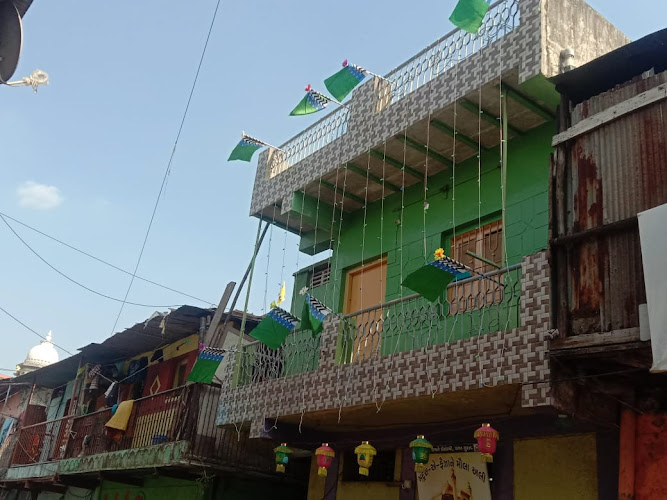
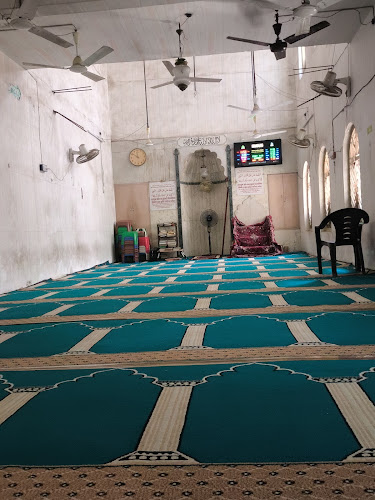
The Muhammadi Mosque, situated in Amroli, Surat, likely incorporates similar architectural elements, reflecting the region's rich Islamic architectural heritage. Its design may feature domes, minarets, and intricate carvings, serving both as a place of worship and a symbol of the community's cultural identity.
Cultural and Social Role
Amroli, as part of Surat, has historically been a center for trade and cultural exchange. The Muhammadi Mosque, serving the spiritual needs of the local Muslim community, also acts as a cultural anchor, preserving and promoting the Islamic traditions and practices in the region. The mosque's presence in Amroli underscores the area's historical significance and its role in fostering a sense of community and identity among its residents.
Visitor Information
While specific visitor information for the Muhammadi Mosque is not readily available, it is advisable for those interested in visiting to contact local authorities or community leaders in Amroli. They can provide details regarding visiting hours, any guidelines to ensure a respectful and informative visit, and insights into the mosque's history and significance. Engaging with local resources will enhance the visitor experience, offering a deeper understanding of the mosque's role in Surat's rich cultural and historical tapestry.
Conclusion
The Muhammadi Mosque stands as a significant monument in Surat, reflecting the city's rich Islamic heritage and architectural evolution. Its design and location in Amroli highlight the cultural diversity and historical significance of the region. While specific details about the mosque are limited, its presence continues to serve as a testament to the enduring legacy of Surat's Islamic architecture and the community's cultural identity.
Location