attractions
Dámaso Arce Square (Plaza Dámaso Arce)
About this place
Discover Dámaso Arce Square (Plaza Dámaso Arce)
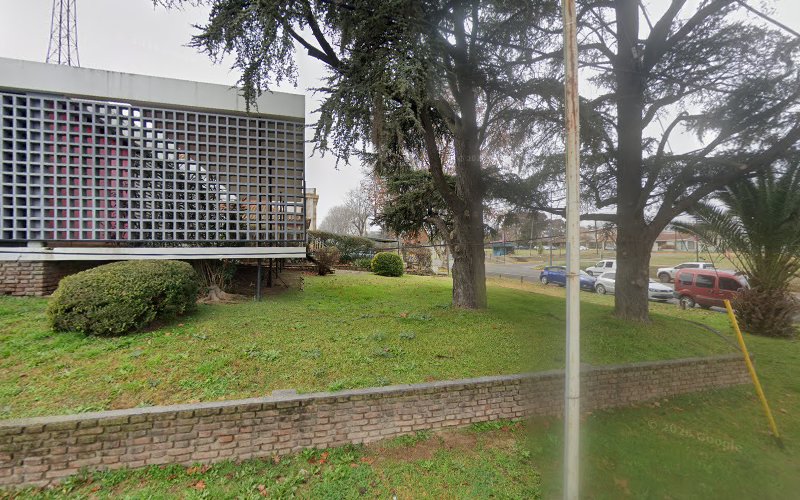
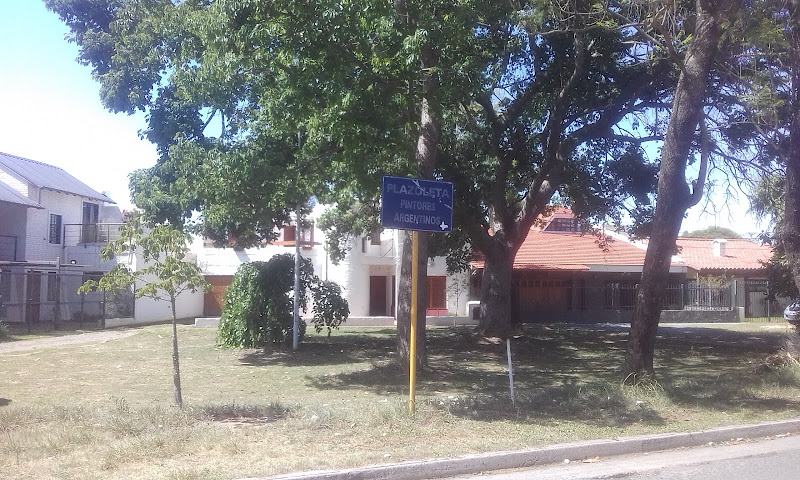
Dámaso Arce Square, situated in the center of Olavarría, Argentina, stands as a testament to the city's rich cultural heritage and its ongoing commitment to the arts. The square is anchored by the Museo Municipal Dámaso Arce, a pivotal institution that has played a significant role in preserving and promoting the region's artistic and historical narratives.
Historical Background
The origins of the museum date back to the early 20th century when Dámaso Arce, a self-taught goldsmith, began curating a private collection within his residence. His passion for art and history led him to amass a diverse array of artifacts, including indigenous artifacts, colonial-era pieces, and works reflecting the cultural tapestry of the region. In 1918, Arce opened his first exhibition, featuring a "Sala de Indios" (Hall of Native Indians), which highlighted the rich indigenous heritage of the area. This initiative was among the earliest efforts to showcase indigenous culture in Argentina, setting a precedent for future cultural institutions.
In 1923, Arce officially inaugurated the Museo Hispano Americano, marking a significant milestone in his endeavor to share his collection with the public. The museum quickly gained popularity and prestige, attracting scholars, artists, and visitors interested in the diverse cultural artifacts it housed. Arce's dedication to his collection and his proactive engagement with other collectors and institutions facilitated the exchange of information and artifacts, enriching the museum's holdings and enhancing its reputation. (ri.conicet.gov.ar)
Transition to Municipal Ownership
Despite its early successes, the museum faced challenges, particularly in securing consistent support and recognition from municipal authorities. It took two decades after Arce's death for his family to transfer the collection into state ownership, ensuring its preservation and continued public access. In 1961, the museum transitioned into a municipal institution, becoming the Museo Etnográfico Municipal Dámaso Arce (MEDA). This shift marked a new era for the museum, aligning it with the city's cultural policies and providing it with a platform to expand its reach and impact.
The establishment of the Instituto de Investigaciones Antropológicas de Olavarría (IIAO) further solidified the museum's academic standing. The IIAO, operating under the municipality, collaborated closely with MEDA, conducting research and curating exhibitions that highlighted the region's archaeological and anthropological significance. This partnership enhanced the museum's role as a center for scholarly inquiry and public education, fostering a deeper understanding of Olavarría's cultural and historical contexts. (scielo.org.mx)
Challenges and Revitalization Efforts
Over the decades, MEDA faced periods of neglect and a lack of consistent support, leading to challenges in maintaining its collections and facilities. By the 2010s, the museum's collections were stored in a municipal warehouse, and the institution was closed to the public. This period of dormancy raised concerns among the local community and cultural advocates about the preservation of the museum's invaluable artifacts and the continuity of its educational programs.
In response to these challenges, a concerted effort was made to revitalize the museum and restore its position as a cultural cornerstone in Olavarría. In February 2026, the museum celebrated its 65th anniversary with the exhibition "Décadas en diálogo," showcasing artworks from the 1960s to the new millennium. This exhibition not only highlighted the evolution of artistic expression in the region but also underscored the museum's commitment to engaging with contemporary artistic dialogues. (infonoticiasolavarria.com.ar)
Architectural and Cultural Significance
The museum's building, located at San Martín 2862, is a notable
Location